In today’s rapidly evolving technological landscape, the importance of reliable electrical components cannot be overstated. Among these components, relays play a pivotal role in controlling electrical circuits by using a low power signal to switch higher power circuits on and off. Relay suppliers, therefore, are integral to various industries, ranging from automotive to automation and telecommunications. This article explores the role of relay suppliers, the different types of relays they provide, and the factors to consider when choosing the right supplier.
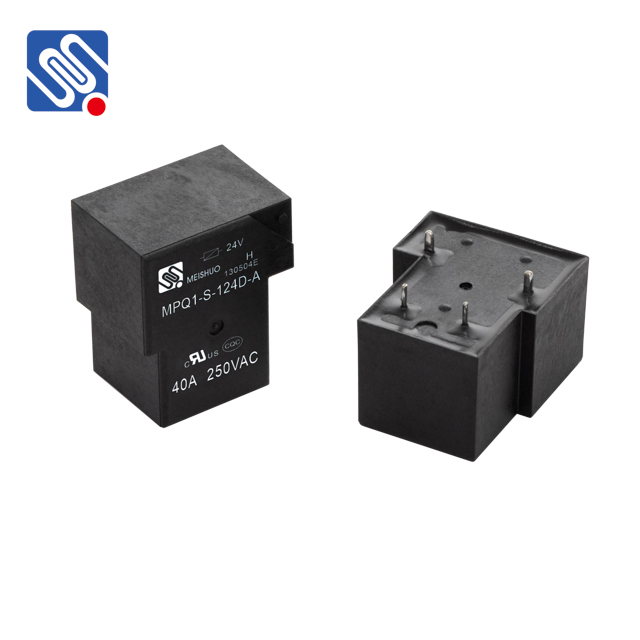
What Are Relays? A relay is an electrically operated switch used to control a circuit by opening or closing it. The main purpose of a relay is to enable the use of a low-power signal to control a larger, higher-power circuit. This makes relays essential for applications where large amounts of current need to be controlled by small, low-power signals. Relays are commonly used in electrical systems, safety devices, control systems, and automation processes. There are various types of relays, including electromagnetic relays, solid-state relays, thermal relays, and time-delay relays, each catering to specific needs in different industries. The diversity in relay types makes relay suppliers crucial, as they provide not only the components but also the expertise to guide customers in selecting the right relay for their needs.