Relay stability is a critical aspect of power systems, particularly in the context of electrical protection and control. A relay is a protective device that automatically isolates faulty sections of an electrical network to prevent damage to equipment. The stability of these relays under various operational conditions is essential for the reliable and safe functioning of electrical systems. In this article, we will explore the concept of relay stability, its importance, challenges, and how it is maintained in modern power systems.
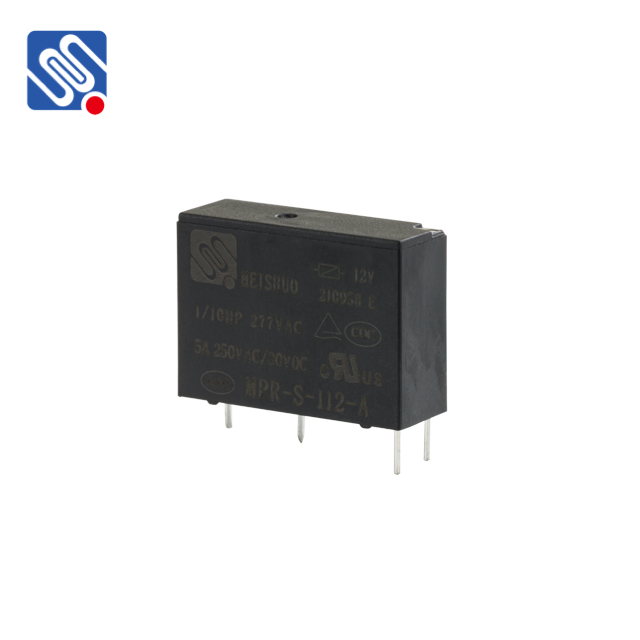
What is Relay Stability? Relay stability refers to the ability of a protective relay to perform its intended function without unnecessary operation, even under abnormal conditions such as voltage dips, transients, or system disturbances. Essentially, relay stability ensures that a relay will not activate unless it is absolutely necessary—i.e., only when a fault has occurred. There are two primary aspects of relay stability: Misoperation Stability: This aspect of stability focuses on the prevention of the relay from operating erroneously due to non-fault events, such as short-term voltage sags or harmonic distortions.