Relay signals are integral components in the operation of electrical and automation systems. These signals allow for the efficient control and transmission of information, especially in complex circuits and control systems. Relay signals play a crucial role in ensuring smooth functioning across various industries, from manufacturing automation to telecommunications and power distribution. This article explores what relay signals are, how they work, and their importance in contemporary electrical and automation systems.
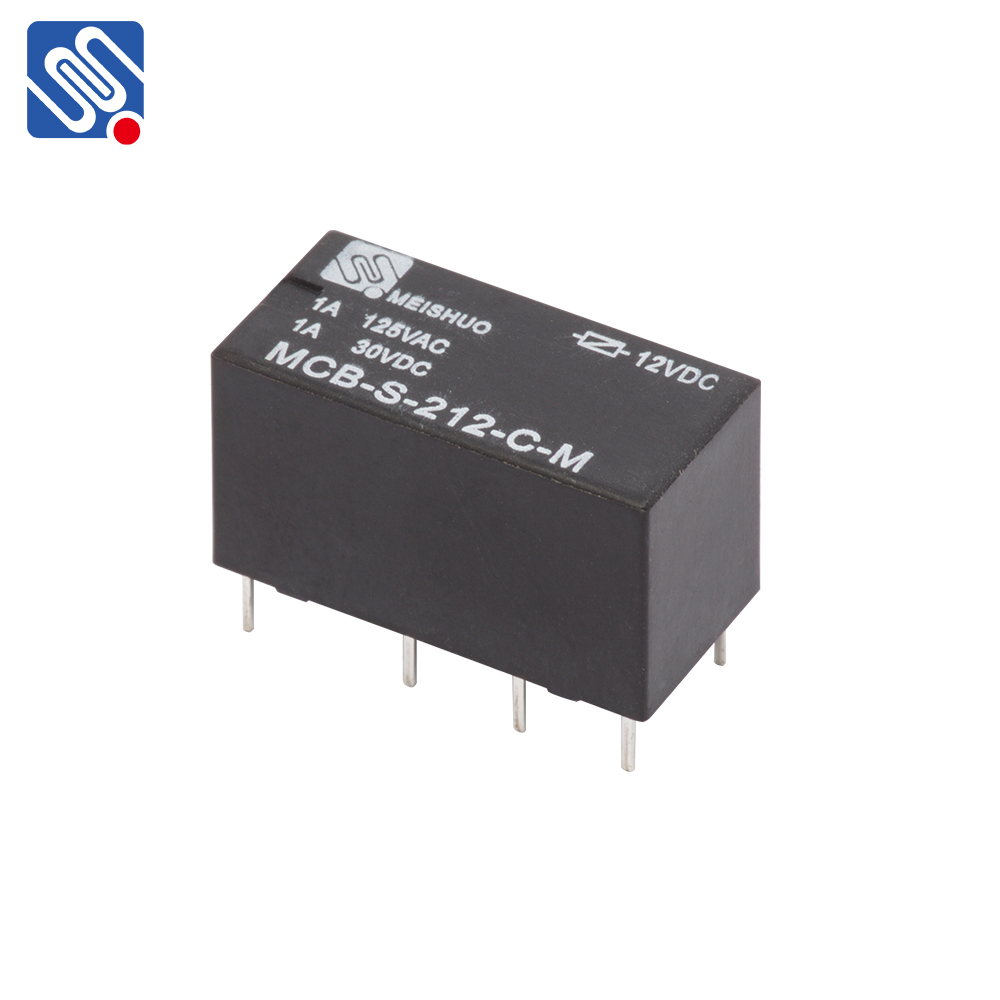
What Are Relay Signals? A relay signal is essentially the signal that is transmitted through or controlled by a relay. A relay, in its simplest form, is an electrically operated switch that allows a small input signal to control a much larger current or voltage in another part of the circuit. When an electrical current flows through the coil of the relay, it generates a magnetic field that causes the switch contacts to either open or close, thereby controlling the flow of electricity in the circuit. The role of a relay signal is to transmit information or control electrical circuits by acting as a gatekeeper for larger signals. The relay responds to the input signal and activates an output that can either start, stop, or alter the flow of current, enabling the automation of various tasks in systems that require high precision.