Relay signals play a pivotal role in the field of electrical and electronic engineering, serving as crucial components in a wide range of applications from industrial automation to household appliances. These signals enable the control of electrical circuits through the use of relays, which are electromechanical devices that function as switches. By understanding how relay signals work, the various types of relays, and their applications and advantages, one can appreciate their significance in modern electrical systems.
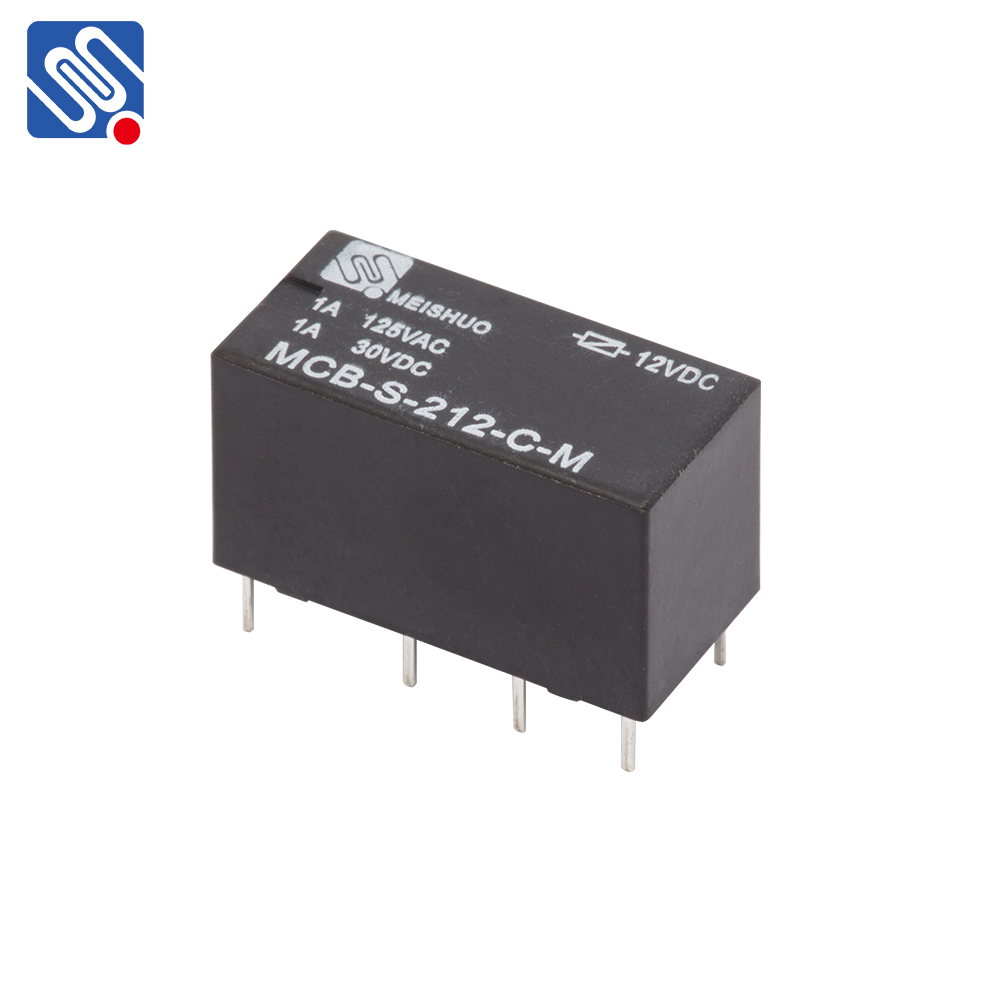
At its core, a relay operates on a simple principle: when an input signal is applied to its control terminal, it energizes an electromagnetic coil. This coil generates a magnetic field that activates a mechanical switch, either closing or opening a circuit. The electrical characteristics of relay signals allow relatively low-power signals to control high-power devices. For instance, a small control signal from a microcontroller can activate a relay that powers a motor or an industrial machine, highlighting the relay’s role as an interface between low- and high-power circuits. Types of Relays