Relay signals are fundamental components in the world of electrical and automation systems. They act as intermediaries between different electrical circuits, allowing low-voltage control signals to control high-voltage equipment. From industrial machinery to household appliances, relay signals enable safe, efficient, and reliable operation of various electrical systems. In this article, we will explore the concept of relay signals, their working principle, and their applications in modern-day automation and control.
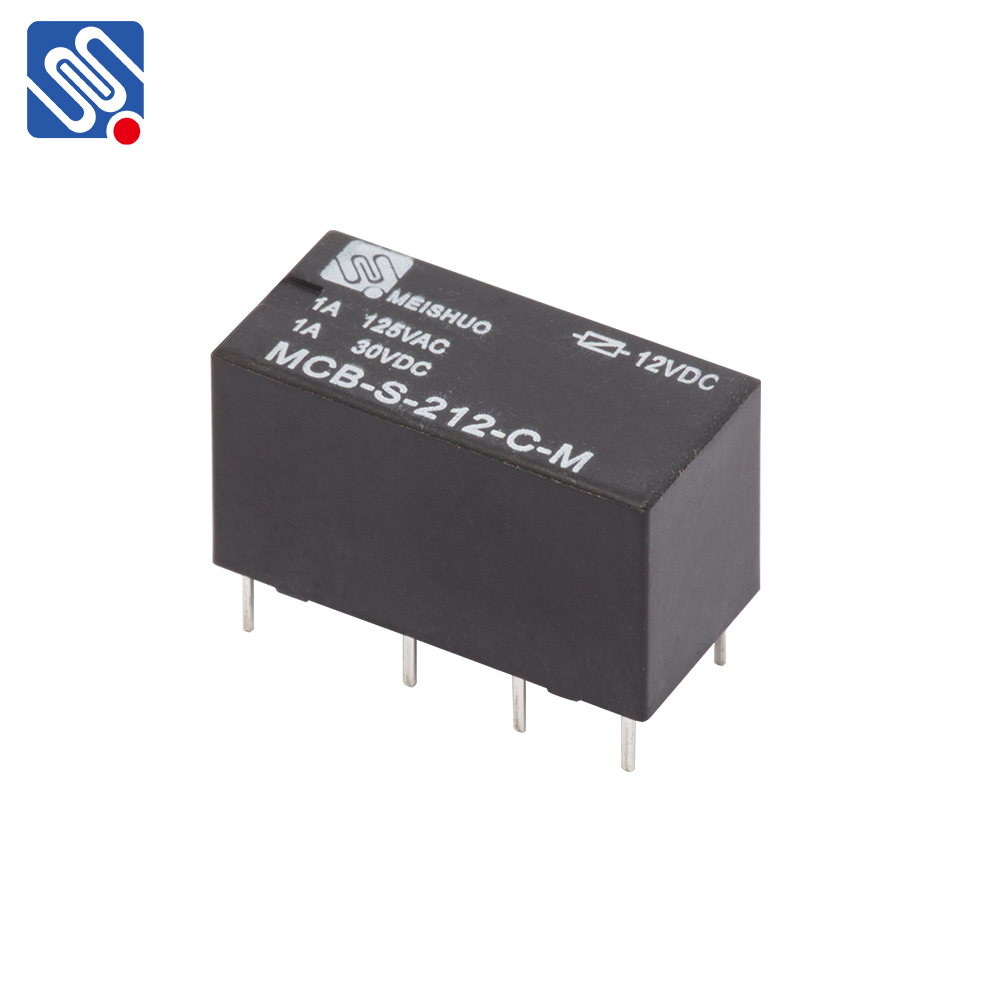
What Are Relay Signals? A relay is an electrically operated switch that opens or closes a circuit based on an input control signal. The control signal can come from a low-voltage circuit, like a microcontroller or a sensor, which is used to switch a higher-voltage circuit, like motors, lights, or other equipment. Relay signals are the key mechanism that facilitates this interaction between different circuits, making them essential for controlling the flow of electricity in a safe and efficient manner. Relays can be used to control various types of devices, from low-power electronics to large industrial equipment. They are versatile and can be found in many applications, such as in industrial automation systems, automotive systems, home automation, and safety systems.