In the realm of electrical engineering, safety is of paramount importance. One of the critical components that enhance safety in electrical systems is the relay—a device designed to protect electrical equipment and ensure safe operation during abnormal conditions. Relay safety features play an essential role in preventing damage to machinery, minimizing the risk of fires, and safeguarding personnel. This article delves into various relay safety features that contribute to the reliable functioning of electrical systems.
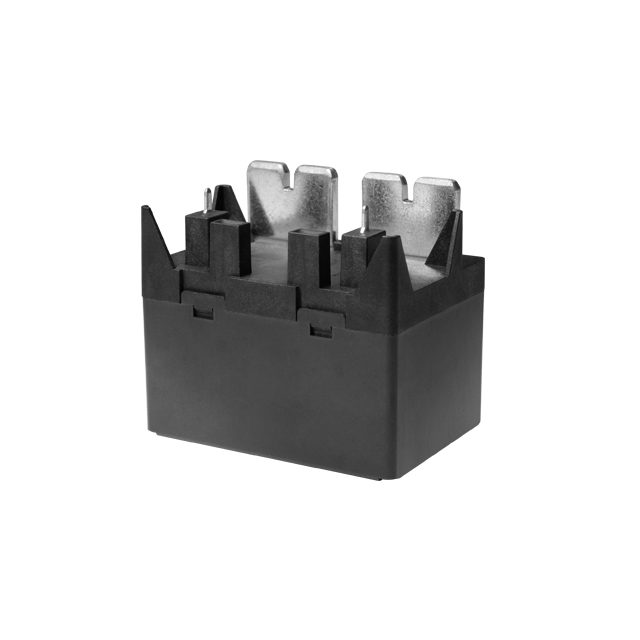
Overload Protection One of the primary safety functions of a relay is overload protection. Relays are equipped with current sensing capabilities, which enable them to monitor the flow of electricity through a circuit. When the current exceeds a predefined threshold, the relay can trip, disconnecting the power supply to the equipment. This mechanism is crucial in preventing overheating and damage to motors, transformers, and other electrical devices, ultimately prolonging their lifespan.
Short-Circuit Protection Short-circuit conditions can be catastrophic, leading to equipment failure and fire hazards. Relays designed for short-circuit protection can rapidly detect excessive current flow indicative of a short circuit. In response, these relays instigate a disconnection of the power supply almost instantaneously. This swift action prevents extensive damage to the electrical system and minimizes safety risks for personnel.
Leave a Reply