Relay power supplies are crucial components in a variety of electrical and electronic systems, offering an efficient means of controlling the supply of electricity based on specific conditions. By integrating the simple yet effective mechanism of a relay, these power supplies provide solutions for both residential and industrial applications. This article will explore the fundamentals of relay power supplies, their working principles, common uses, and the advantages they bring to various applications.
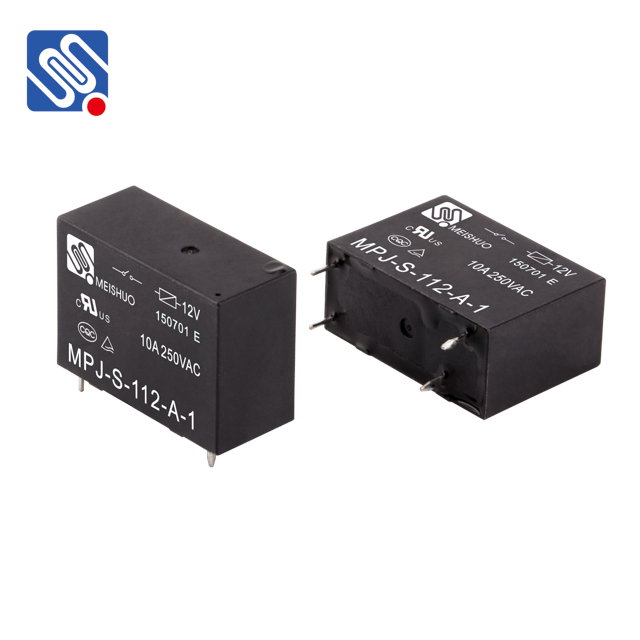
What is a Relay Power Supply? A relay power supply typically refers to a power system that uses a relay—a switch operated by an electromagnet—to control the distribution of power to connected loads. It acts as an intermediary between a power source and a load, allowing for remote or automated switching of electrical circuits. When a control signal is sent, the relay either closes or opens the circuit, thereby allowing or cutting off the power supply to a specific load. This functionality is essential for protecting devices, automating processes, and enabling precise control over electrical power.