Relay power supplies are crucial components in modern electrical systems, offering flexibility, control, and protection in various applications. These power supplies use electromechanical relays to manage the distribution and control of electrical power within a circuit. From industrial automation to home appliances, relay power supplies are widely used for their ability to ensure reliability, efficiency, and safety. This article explores the basic working principles, features, and common applications of relay power supplies.
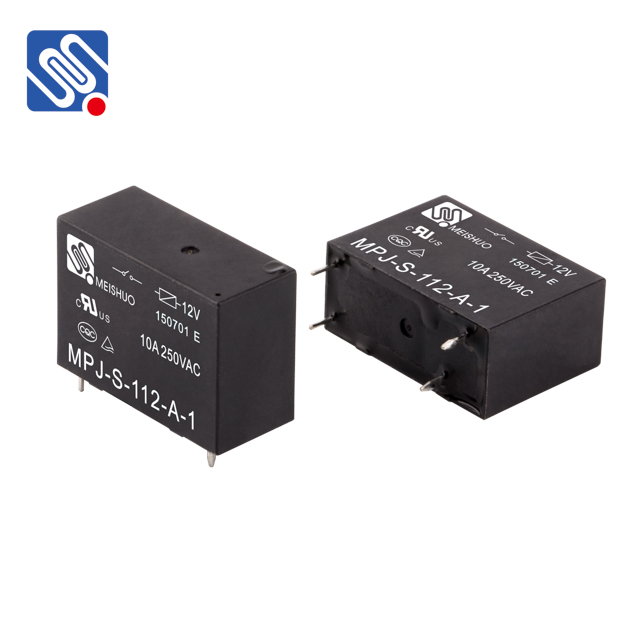
What is a Relay Power Supply? A relay power supply is an electrical system that employs relays—electromagnetic switches—to control the flow of electricity. Relays function by creating or breaking electrical connections based on a control signal. In the context of a power supply, relays are used to switch power on and off, regulate output voltage, provide overload protection, and distribute power across various components of a system. The basic working principle of a relay is simple: when an electrical current passes through a coil inside the relay, it generates a magnetic field that pulls a movable armature to close or open contacts. These contacts either allow current to flow to the circuit or disconnect it, depending on whether the relay is energized or de-energized. This on/off control mechanism can be applied to a wide range of power supply operations.