Relay load is an essential concept in the world of electrical engineering, particularly when it comes to controlling high-power circuits with low-power switches. The idea of a relay is to provide an efficient and safe way to control the flow of electricity through various devices without directly using manual switches or large, cumbersome control systems. This article explores the significance of relay load, the types of loads it controls, and the factors to consider when using relays in electrical circuits.
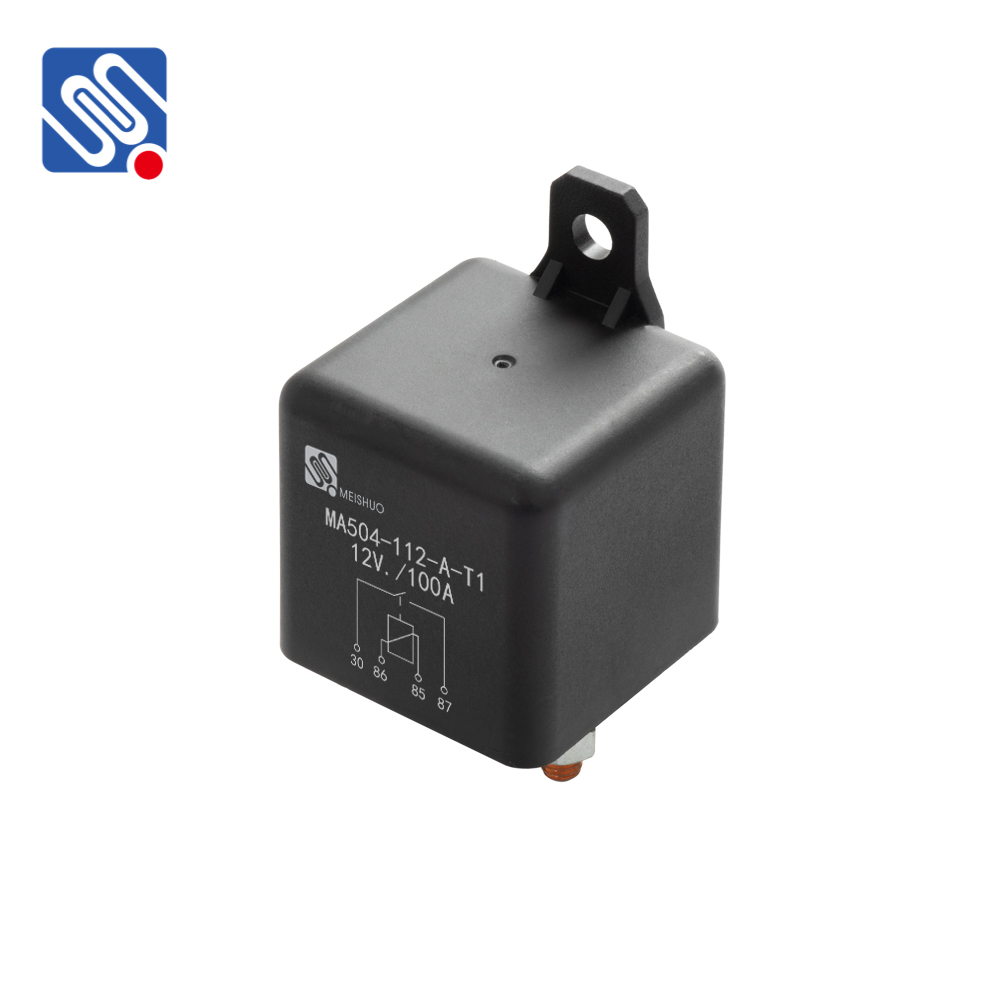
What is a Relay? A relay is an electromechanical switch that allows a small current to control a much larger current. It consists of a coil of wire that creates a magnetic field when energized, pulling in a metal armature that activates or deactivates the switch. Relays are widely used in automotive, industrial, and home automation systems, where it’s necessary to control high-voltage devices with low-voltage control signals. Understanding Relay Load Relay load refers to the type and amount of electrical power that a relay is designed to control. When a relay is used in a circuit, it serves as an intermediary between a low-power control circuit (often controlled by a microcontroller, switch, or sensor) and a high-power device, such as an electric motor, light, or heating element.
Leave a Reply