Relay load refers to the type of electrical load that a relay controls or switches on and off. A relay is an electrically operated switch that uses an electromagnetic coil to open or close contacts, thereby controlling the flow of electricity to a connected load. Relays are widely used in various applications where controlling high voltage or current with a low voltage signal is essential. This article explores the basic principles of relay load, its common applications, and key considerations in designing circuits that involve relays.
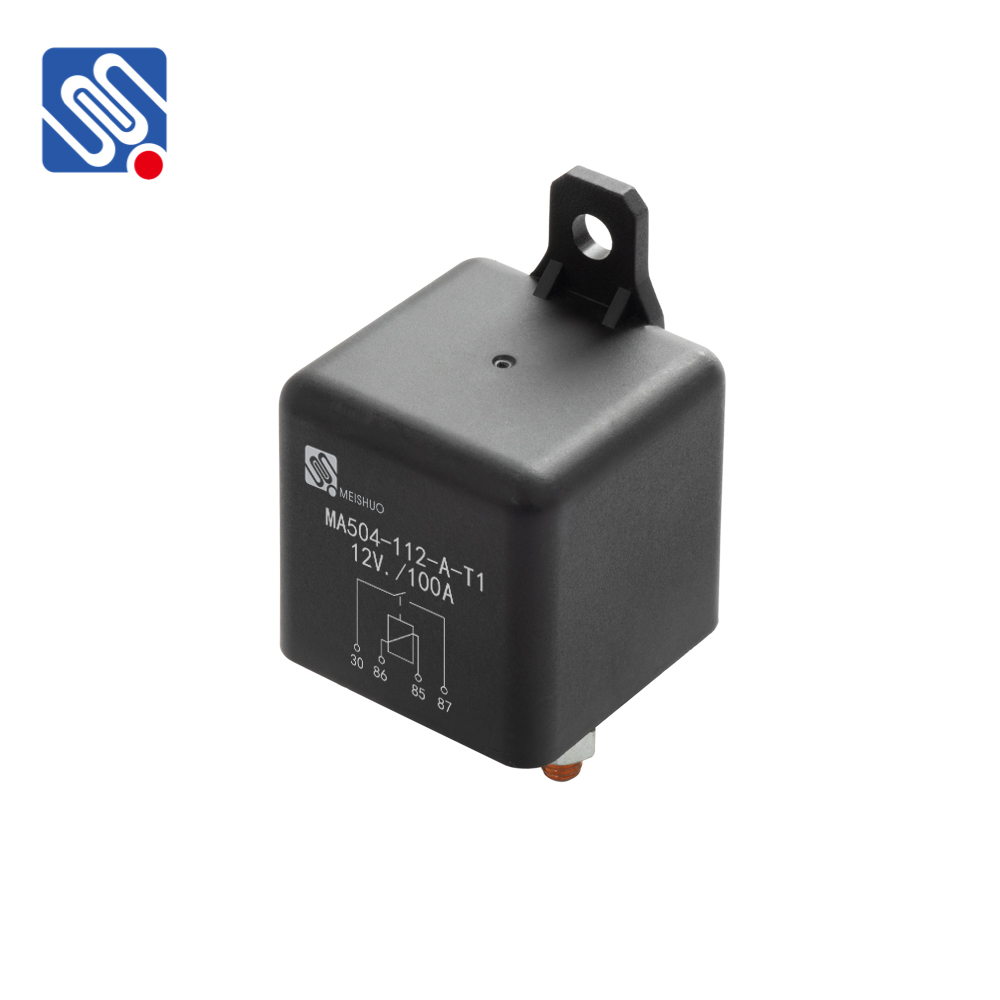
What is a Relay? At its core, a relay is an electromechanical device designed to control a circuit by opening or closing contacts based on an applied electrical signal. It consists of an electromagnet, a set of contacts, and a spring-loaded armature. When a current flows through the coil, the magnetic field generated pulls the armature, causing the contacts to either close or open, depending on the relay’s configuration. This simple mechanism allows relays to control larger power circuits with a small electrical signal, which is why they are so widely used in automation, protection systems, and various control systems.