Relay load refers to the electrical load that a relay controls in a circuit. Relays are electromagnetic switches commonly used to control high-power devices or circuits with low-power control signals. They play an integral role in automation, electronic systems, and electrical control applications. However, understanding the characteristics of relay load is essential to ensure the safe and efficient operation of the system. In this article, we will explore the concept of relay load, its different types, and critical factors to consider when choosing the right relay for your application.
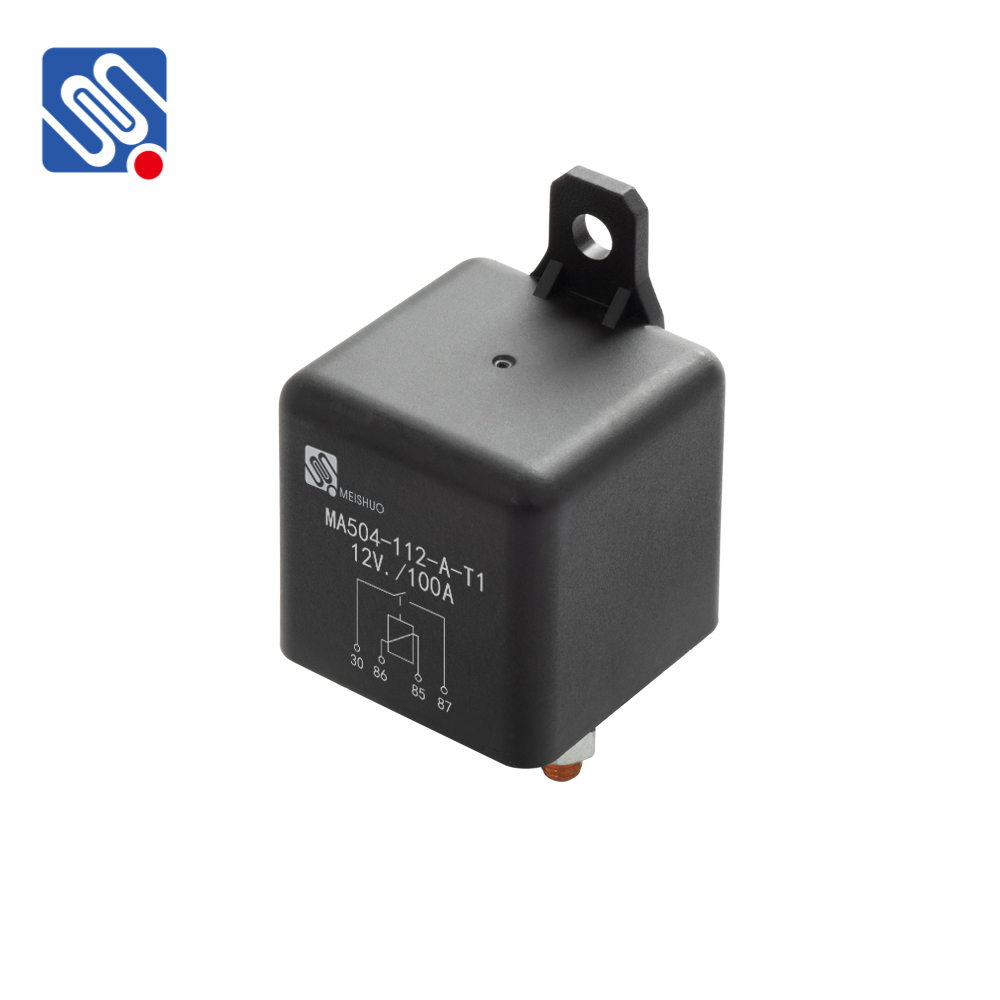
What is a Relay? A relay is an electrically operated switch that can open or close contacts in an electrical circuit. It uses an electromagnet to actuate a mechanical switch. When a control voltage is applied to the coil of the relay, the electromagnet generates a magnetic field that either opens or closes the contacts, depending on the relay type. This process enables the relay to control high-power devices using a low-power control signal, providing an efficient and safe means of controlling heavy machinery or high-voltage circuits. Types of Relay Loads Relay loads can be classified into three primary categories: resistive, inductive, and capacitive. Understanding these load types is crucial for selecting the appropriate relay to prevent failure and ensure longevity.