The lifespan of a relay, commonly referred to as relay lifespan, is a critical factor for engineers, technicians, and designers in various fields such as electronics, telecommunications, and automation. Relays are electromagnetic switches that control the flow of electricity in a circuit, and their longevity directly impacts the reliability and efficiency of systems in which they are used. This article delves into the essential aspects surrounding relay lifespan, including its influencing factors, assessment metrics, and strategies for enhancement.
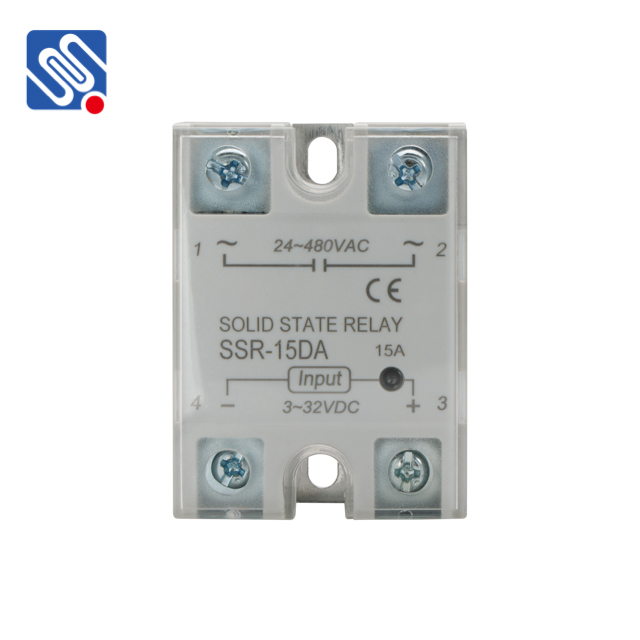
What is Relay Lifespan? Relay lifespan represents the duration a relay can function effectively under specified conditions before it begins to exhibit failures or deterioration. The lifespan of a relay is often quantified in terms of operational cycles—individual actuation and release of the relay—and is influenced by factors such as mechanical wear, electrical stress, and environmental conditions. Influencing Factors on Relay Lifespan Material Quality: The construction of a relay involves various materials, including metals, plastics, and insulating components. The durability and reliability of these materials significantly affect the relay’s lifespan. For instance, high-quality contacts made from durable alloys can withstand numerous actuation cycles without significant wear.
Leave a Reply