Relays are critical components in electrical circuits, serving to control and switch electrical devices. Despite their small size, relays play a significant role in various applications such as automotive systems, industrial machinery, and home appliances. One important aspect that often goes unnoticed is the relay lifespan. The lifespan of a relay refers to the duration or number of cycles it can operate reliably under specified conditions. Understanding the factors that affect relay lifespan is essential for optimizing performance, reducing costs, and ensuring safety.
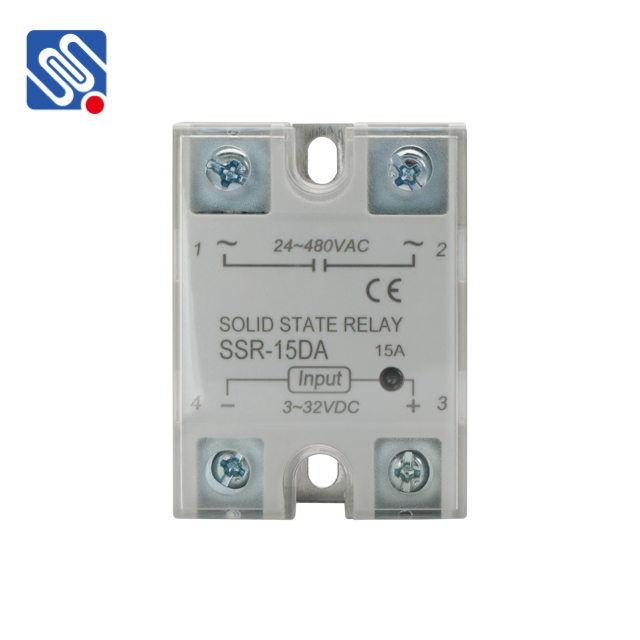
Mechanical and Electrical Lifespan Relay lifespan can be categorized into two primary types: mechanical lifespan and electrical lifespan. Mechanical Lifespan: This refers to the number of cycles a relay can operate without load. Typically, it ranges in the millions of operations, depending on the design and quality of the relay. Mechanical lifespan is influenced by the physical materials used in the relay construction and the design of the moving parts. For instance, relays with high-quality springs and materials might show significantly higher mechanical lifespan than those with standard specifications.