Relay isolation plays a crucial role in various electrical and electronic systems by providing a safe means of isolating different parts of a circuit. This isolation helps protect sensitive components, reduce electrical noise, and improve overall system reliability. In this article, we will explore the concept of relay isolation, its working principle, benefits, and common applications in electrical engineering and automation.
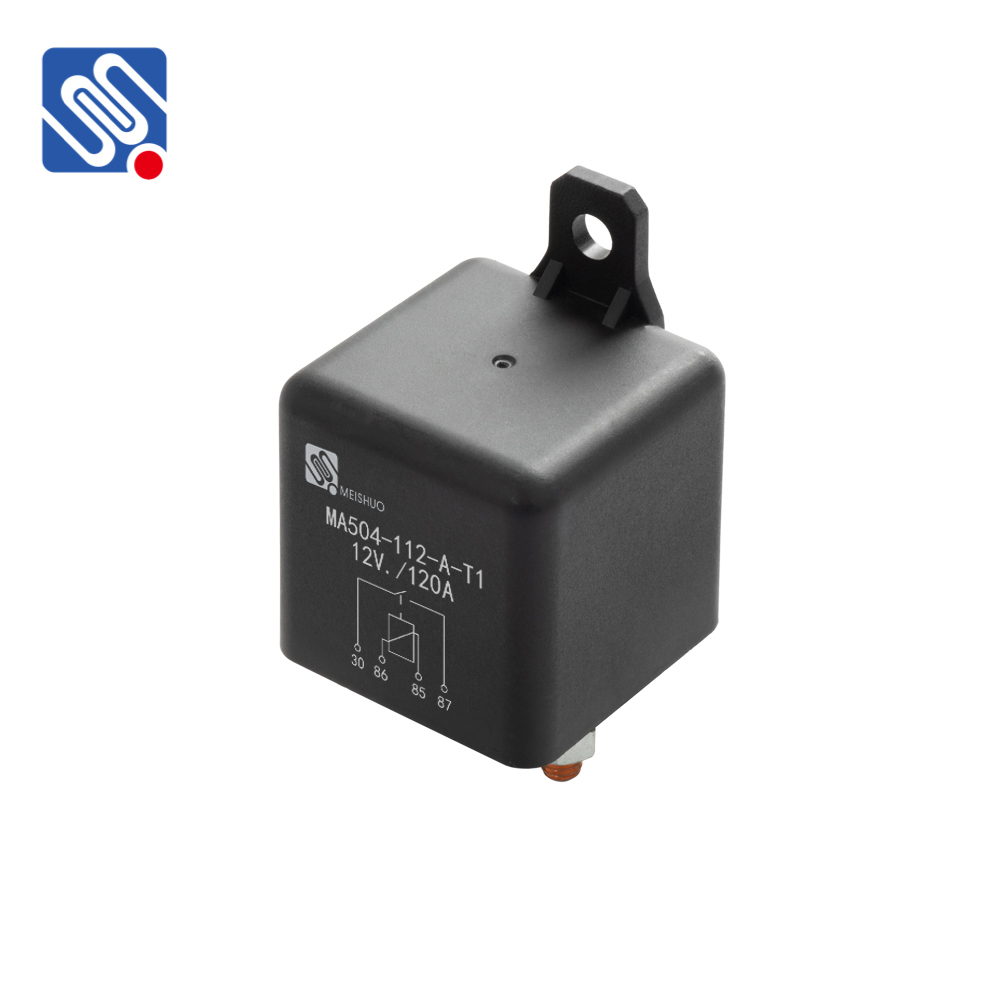
What is Relay Isolation? Relay isolation refers to the electrical separation between the input (control) side and the output (load) side of a relay. A relay is essentially an electromagnetic switch that can control the flow of current in a circuit without any direct electrical connection between its control and load contacts. This isolation ensures that electrical disturbances, such as voltage spikes or surges, are kept away from sensitive components or circuits that might be affected by them. In simple terms, relay isolation allows a low-power control circuit to safely control a high-power load circuit without the two circuits physically connecting. This is accomplished by using the relay’s electromagnetic properties, which enable it to switch the output circuit on and off based on the control signal without any direct electrical link.
Leave a Reply