The relay industry plays a crucial role in the functioning of various electrical and electronic systems. Relays are electromechanical devices used to control the flow of electricity in circuits, enabling users to manage large currents or voltages with small signals. As technology advances, the demand for reliable, efficient, and safe relays has grown. To meet this demand, a variety of industry standards have been established to govern the design, manufacturing, testing, and application of relays. Understanding these relay industry standards is essential for manufacturers, engineers, and end-users to ensure product safety, reliability, and interoperability.
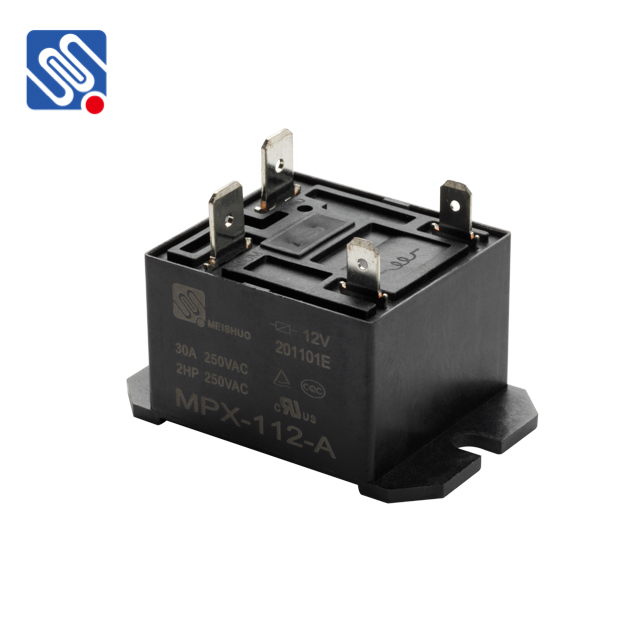
One of the primary international standards for relays is the IEC 61810, formulated by the International Electrotechnical Commission (IEC). This standard focuses on the basic technical requirements, classifications, and test methods for electromechanical relays. It provides guidelines that help manufacturers create products that adhere to safety and performance benchmarks while facilitating a better understanding for users regarding the operational characteristics of different relay types. By following IEC 61810, manufacturers can ensure that their relays are suitable for various applications, from industrial automation to consumer electronics.