Relays are fundamental devices in the electrical and electronic ecosystem, acting as switches that are manipulated by an external signal to control a circuit. As technology evolves and applications become more complex, the importance of adhering to industry standards in the relay sector has grown significantly. Relay industry standards play a crucial role in ensuring safety, reliability, and quality across various applications, spanning from industrial automation to consumer electronics.
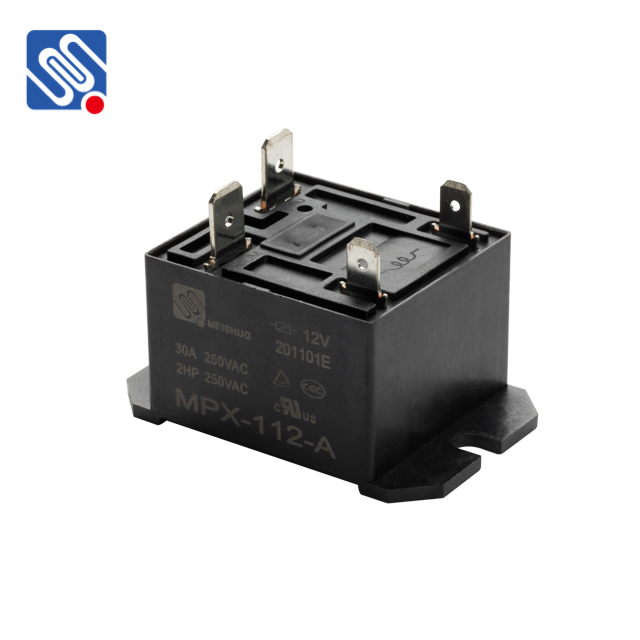
One of the primary governing bodies for relay standards is the International Electrotechnical Commission (IEC), which develops global standards to ensure consistent quality and safety levels. IEC 60947-5-1 is particularly noteworthy, as it outlines requirements for low-voltage switchgear and control equipment, which encompasses relays. This standard addresses electrical and mechanical properties, including insulation requirements, temperature limits, and electrical endurance, thus providing a benchmark for manufacturers to ensure their products meet international safety requirements. Another critical standard under the IEC umbrella is IEC 61810, which specifically focuses on electromechanical relays. This standard details the performance and safety requirements for relays used in various applications. It sets out conditions for environmental influences, dielectric properties, and reliability. Manufacturers must conduct rigorous testing to comply with IEC 61810, ensuring that their relays can withstand real-world operating conditions and maintain performance over time. Compliance with these standards not only enhances product reliability but also builds trust with end-users and stakeholders.