Relay functional testing is a critical process in the maintenance and commissioning of electrical systems. A relay is an electromagnetic device used to control circuits by opening or closing contacts in response to input signals. These devices are integral in automation, protection, and control functions within a wide range of electrical applications, from power systems to industrial machinery. To ensure that relays perform their functions reliably, proper functional testing must be conducted. This article explores the importance, methods, and best practices involved in relay functional testing.
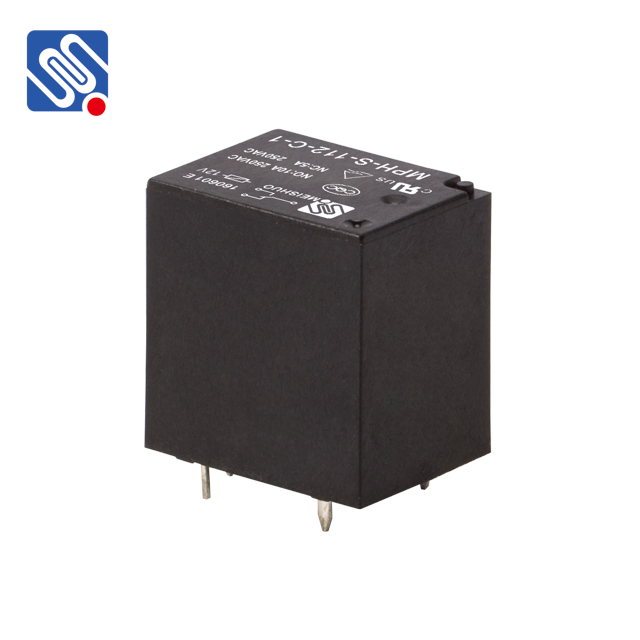
What is Relay Functional Testing? Relay functional testing involves verifying that the relay behaves as expected under normal and fault conditions. The purpose is to ensure that the relay correctly responds to input signals, activates the appropriate contacts, and interacts with the larger control or protection system as designed. This testing ensures that the relay will perform as intended during real-world operation, minimizing the risk of failure in critical applications such as power distribution, machinery protection, and safety systems. The Importance of Relay Functional Testing