Relay drives are essential components in various electrical and automation systems, serving as a bridge between low-power control circuits and high-power electrical devices. They are used to control the switching of larger electrical loads such as motors, lights, or even household appliances, based on a small control signal. In this article, we will explore the workings, applications, and significance of relay drives in modern technology.
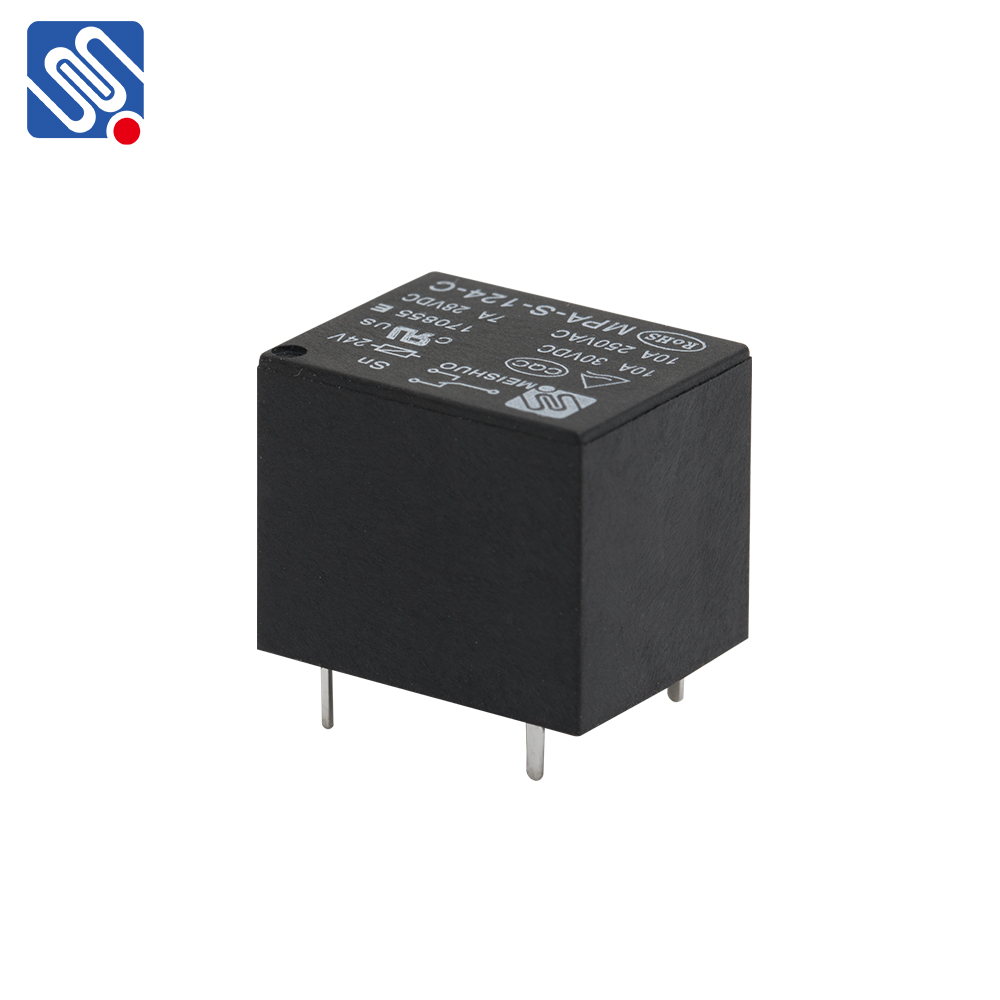
What is a Relay Drive? A relay drive involves a control circuit designed to operate a relay, which, in turn, controls the flow of electricity to a high-power load. It works by using a low-power signal, typically from a microcontroller or a programmable logic controller (PLC), to activate a relay. The relay itself is an electromechanical switch, which is triggered by a magnetic field generated by current flowing through its coil. This mechanism allows the relay to switch larger currents or voltages, which would otherwise be impossible for the control circuit to handle directly. Relay drives are typically composed of the relay itself, a driver circuit, and sometimes protection elements like diodes or resistors. The control circuit sends a signal to the driver, which then energizes the relay’s coil, closing or opening the switch in the relay to control the high-power load.
Leave a Reply