Relay drive systems play an essential role in various electronic and electrical applications, serving as the backbone of control mechanisms in numerous devices. By utilizing electromechanical relays to switch circuits, relay drives provide an efficient means of controlling high-power devices with low-power signals. This article delves into the principles, advantages, limitations, and applications of relay drive systems.
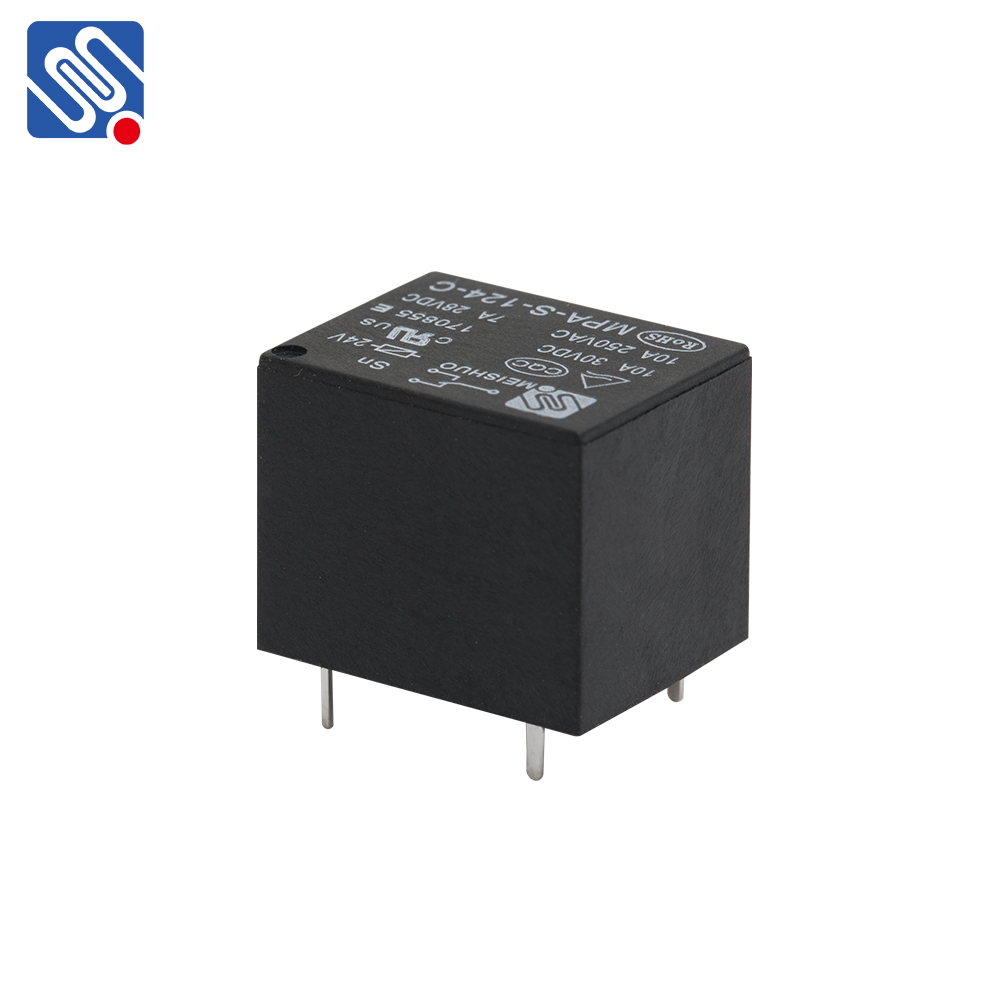
Principles of Relay Drive At the core of any relay drive system lies the relay itself, a type of switch that operates electrically. A typical relay consists of an electromagnet, a movable armature, and one or more sets of contacts. When a low voltage is applied to the relay coil, it generates a magnetic field that attracts the armature, opening or closing the relay contacts and allowing or interrupting the flow of current to a connected load. This action enables the relay to control devices requiring higher voltage or current than the control signal. The fundamental operation of a relay is based on electromagnetic induction. When the coil is energized, the magnetic field it generates serves to mechanically actuate the switch. As a result, the relay can handle significant voltage and current levels, providing electrical isolation between the control circuit and the power circuit, which is critical for safety and reliability in many applications.