Relay demonstrations play a crucial role in showcasing the efficiency and functionality of relay systems in various communication technologies. These demonstrations are especially important in fields such as wireless networks, satellite communications, and Internet of Things (IoT) deployments, where the need to extend range, improve reliability, and optimize data transmission is critical. By understanding relay systems through demonstrations, engineers and researchers can better design and implement solutions that address real-world challenges in communication systems.
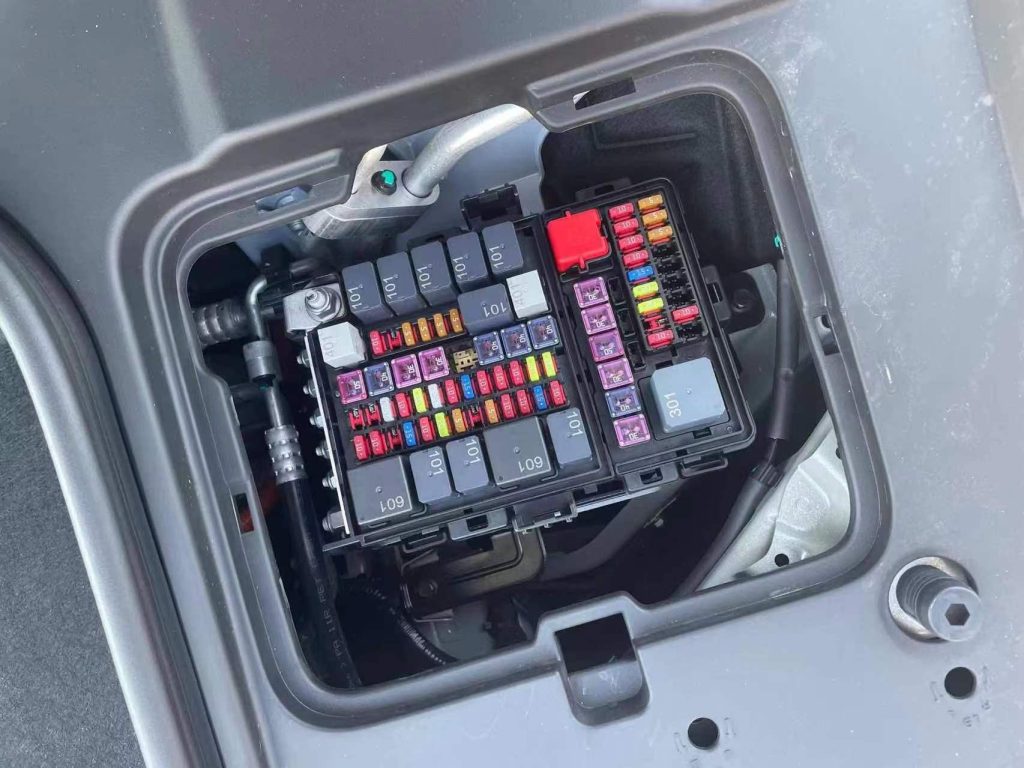
A relay system refers to a mechanism where an intermediate device (the relay) forwards signals between two points, often to extend the range of communication or to bypass obstacles. In modern communications, relay systems are integral components that enhance signal strength and connectivity. Relay demonstrations are structured presentations or tests that illustrate how these systems work in practical scenarios, helping stakeholders understand their benefits, limitations, and potential applications. The Role of Relay Systems in Communication Relay systems are primarily used in scenarios where direct communication between two devices or locations is not feasible due to distance, interference, or obstacles. For instance, in wireless communication, the signal strength may decrease significantly with distance or physical obstructions like buildings and mountains. A relay system addresses this issue by receiving the signal from the transmitter and forwarding it to the receiver, thereby ensuring that the communication is uninterrupted.