Relays are essential components in electrical systems, widely used to control the flow of electricity in a variety of applications. From industrial machinery to household appliances, relays act as electrical switches that help manage circuits safely and efficiently. One of the most important specifications to consider when selecting a relay is its current rating, which defines the maximum amount of current the relay can handle without risk of failure. Understanding the concept of relay current ratings is critical to ensure that relays are appropriately matched to their intended applications.
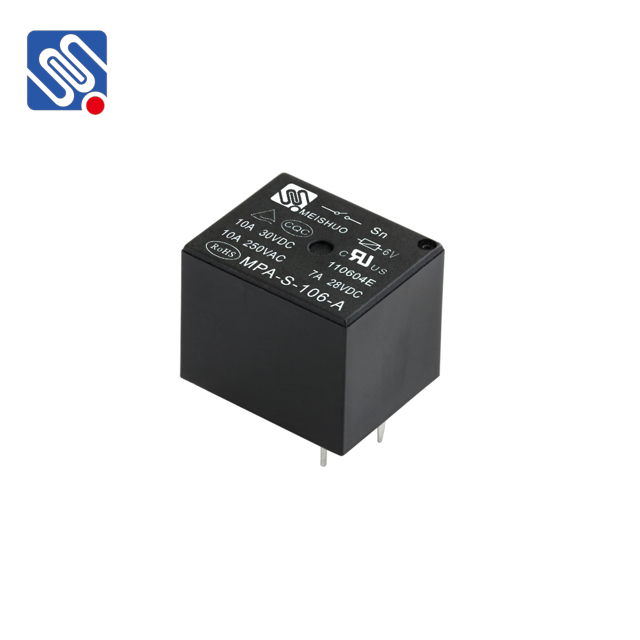
What Is Relay Current Rating? The current rating of a relay refers to the maximum current that can pass through the relay’s contacts when it is in the “on” or closed state. Exceeding the current rating can cause serious issues, including overheating of the relay, contact degradation, or even catastrophic failure of the relay. The current rating is usually specified in amperes (A), and it is an essential factor for ensuring the safe operation of relays in electrical circuits. Types of Relay Current Ratings Relay current ratings are usually categorized based on the load type and the conditions under which the relay will operate. These are typically broken down into continuous current ratings, switching current ratings, and inrush current ratings.