Relays are integral components in electrical and electronic systems, playing a vital role in controlling circuits. One of the key factors in selecting a relay is understanding its current rating. The relay current rating refers to the maximum current a relay can handle while switching without being damaged or losing its functionality. This article explores the concept of relay current ratings, their significance, and how they impact relay selection and performance in various applications.
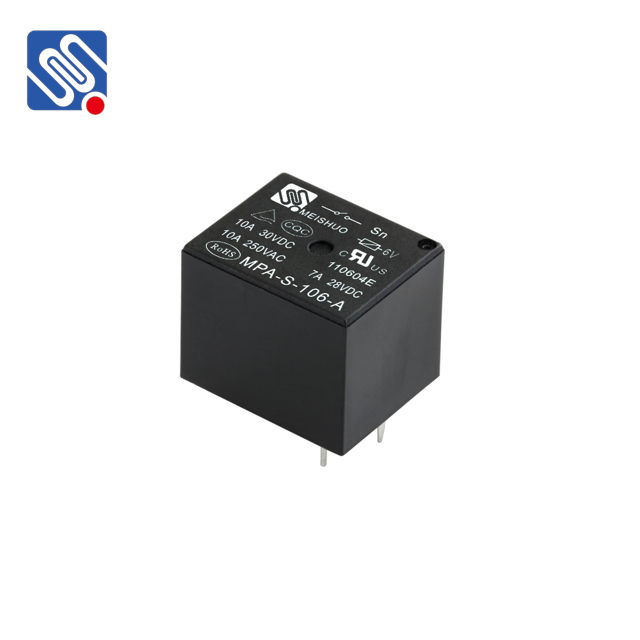
What is Relay Current Rating? Relay current rating indicates the maximum electrical current that a relay can safely carry or switch under normal operating conditions. This rating is a critical specification because it ensures the relay can handle the load without overheating, getting damaged, or failing prematurely. Exceeding the current rating of a relay may result in arcing, contact wear, or even complete failure of the device. Relay current ratings are typically specified for different states of the relay: Rated Current: The maximum continuous current the relay can handle without sustaining damage under normal operating conditions.