Relays are essential components in electrical and electronic systems, acting as switches that control larger currents or voltages using smaller control signals. Among the various specifications that define a relay’s capabilities, the relay current rating stands out as one of the most important. Understanding this rating is crucial for engineers and technicians involved in circuit design and implementation. This article explores the significance of relay current ratings, their implications, and best practices for selecting appropriate relays for various applications.
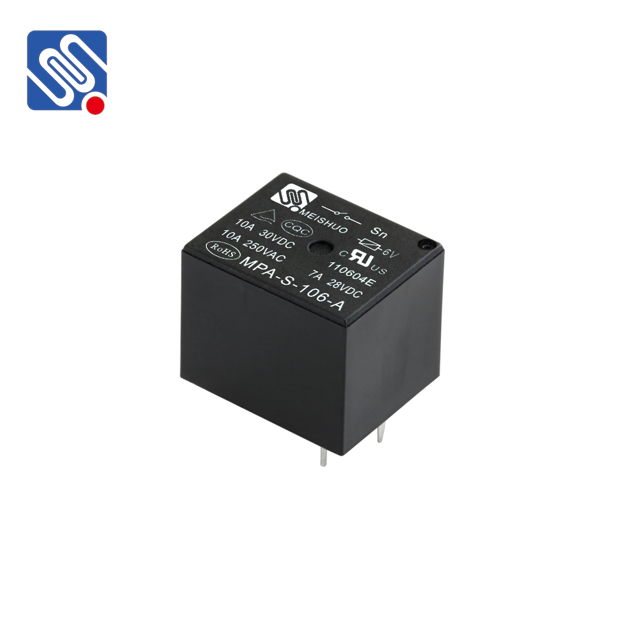
What is Relay Current Rating? Relay current rating refers to the maximum amount of current a relay can handle safely while maintaining its functionality over time. This rating is typically specified by the manufacturer and is provided for different types of loads—most notably, for direct current (DC) and alternating current (AC). The current rating indicates the highest stable current the relay should carry without risk of overheating or mechanical failure. Importance of Current Ratings The relay current rating is critical for several reasons. First and foremost, using a relay within its specified rating helps prevent potential failure modes, such as contact welding, overheating, and eventual catastrophic failure. When the current exceeds the rated value, the internal components may deteriorate rapidly, leading to unreliable operation or damage.