Relay current plays a crucial role in the functionality of electrical systems, particularly in devices like relays that act as switches for controlling high-power circuits with low-power signals. Understanding the types and behaviors of relay current is essential for engineers and technicians when selecting the appropriate relay for specific applications. This article delves into the concept of relay current, its types, and the factors influencing its performance and selection.
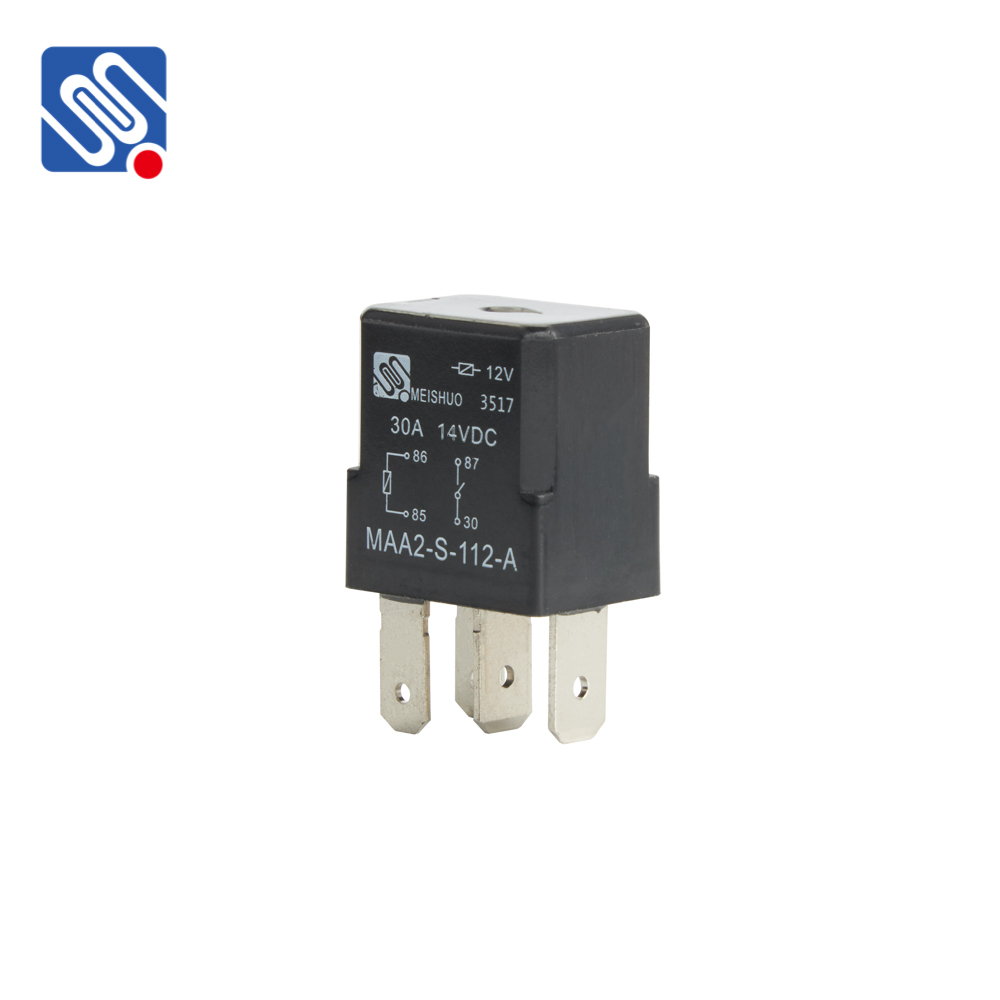
What is Relay Current? Relay current refers to the amount of electric current that passes through the relay’s contacts during its operation. A relay is essentially an electromechanical switch that uses an electromagnetic field to control the opening or closing of its contacts. These contacts can then be used to control a larger current or voltage in another part of the circuit, usually one that is much higher than the current used to activate the relay. Types of Relay Current Relay current can be categorized into several types based on where and how it flows: Coil Current:
The coil current is the current that flows through the relay’s electromagnetic coil when it is energized. This current is responsible for generating the magnetic field that attracts the armature and switches the relay’s contacts. The coil current is typically a low value, and the relay will only function if this current is within a specific range, as specified by the relay manufacturer.