Relay current is a fundamental concept in the field of electrical engineering, particularly in automation and control systems. Its significance arises from the functionality of relays, which are electromagnetic switches that can control a high-power circuit using a low-power signal. This article delves into the importance of relay current, how it operates, its applications, and the considerations necessary for selecting the right relay for specific tasks.
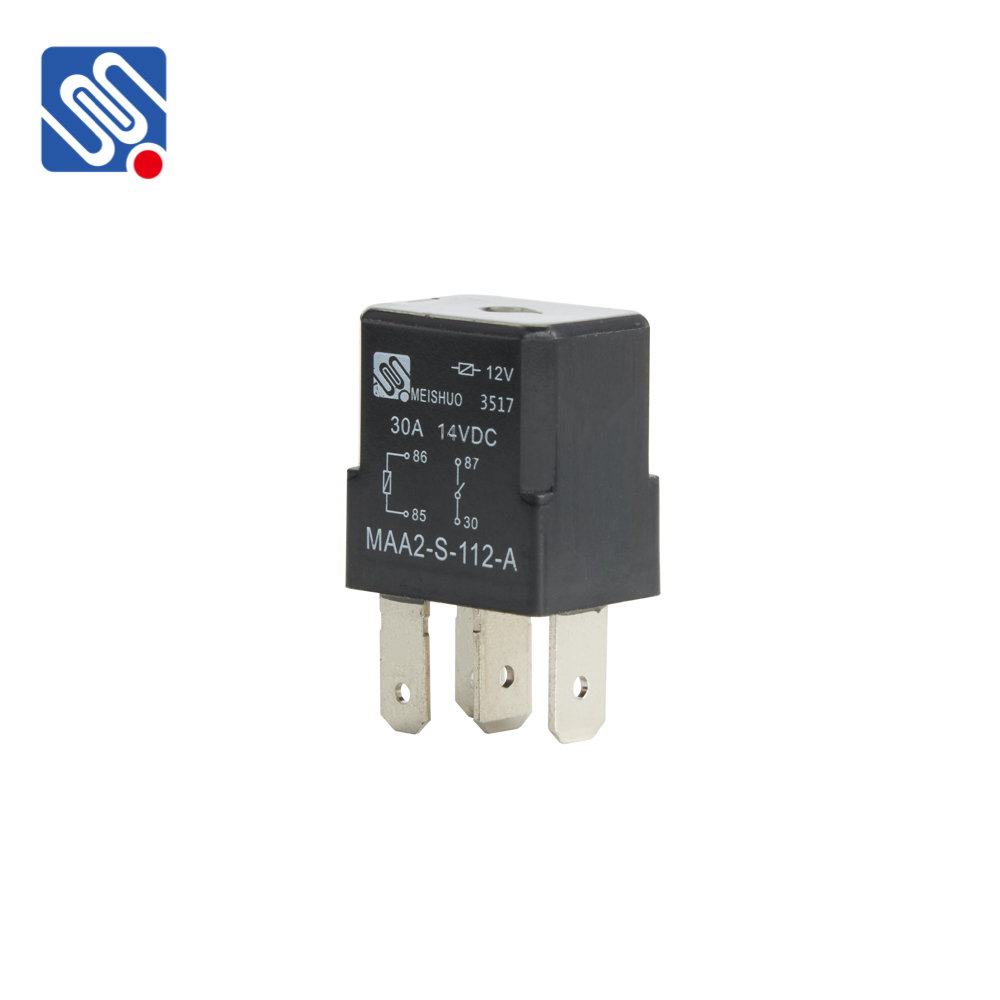
A relay typically consists of an electromagnetic coil, a set of contacts, and an armature. When a current flows through the coil, it generates a magnetic field that attracts the armature, causing the contacts to open or close. This mechanism allows a low-voltage circuit to control a high-voltage circuit, providing an effective means of managing large currents without direct human intervention. Consequently, understanding relay current is crucial because it dictates the relay’s performance and reliability. The concept of relay current can be broken down into several key components. First and foremost, it involves the rated current and voltage, which specify the maximum electrical load the relay can handle. Each relay has a defined range within which it operates effectively; exceeding these limits may lead to overheating, arcing at the contacts, or even failure of the relay. For this reason, engineers must carefully calculate the expected current in the application to ensure that the selected relay can handle it without risk.