Relay connectors are integral components in modern electrical systems. They serve as the link between relays and the various parts of an electrical circuit, such as power supplies, loads, and switches. As relays themselves act as electronic switches that control high voltage or high current with a low voltage signal, relay connectors ensure that this process happens safely and efficiently. This article explores the significance of relay connectors, the different types available, and their various applications in diverse industries.
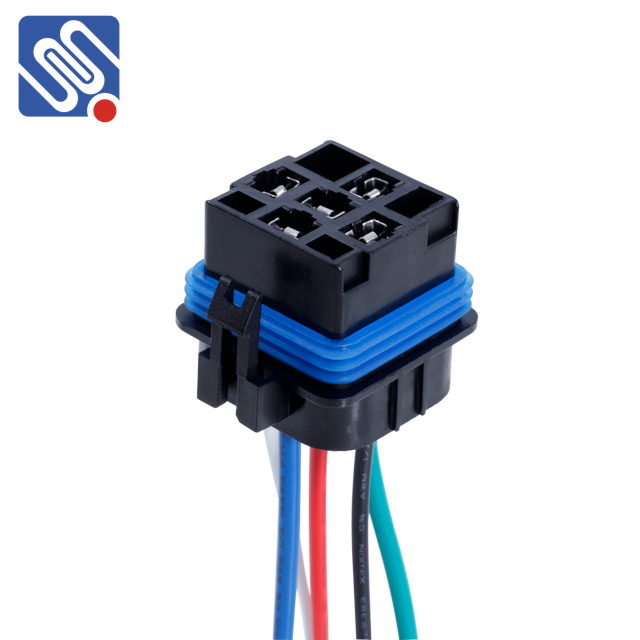
The Importance of Relay Connectors Relay connectors are crucial for establishing stable and reliable electrical connections between a relay and its associated components. Given the critical role relays play in controlling power to various devices, the connectors that link these systems must be both durable and efficient. A poor connection could lead to intermittent operation, electrical short circuits, or, in the worst case, component failure. Therefore, the quality of relay connectors is paramount to the longevity and safety of an electrical system. In addition to electrical conductivity, these connectors must be designed to withstand specific environmental conditions, such as high temperatures, moisture, and dust. In harsh environments, such as automotive or industrial applications, the durability and robustness of relay connectors can directly influence the performance and reliability of the entire system.