Relay connections are essential components in electrical and electronic systems, providing a reliable way to control high-power circuits with low-power control signals. A relay is an electromechanical device that uses an electromagnet to operate a set of contacts, allowing it to switch circuits on or off based on input signals. The versatility and safety offered by relay connections make them indispensable in various industries, from automation to automotive applications. This article will delve into the working principles, types, and common applications of relay connections, helping you understand their importance in modern electrical systems.
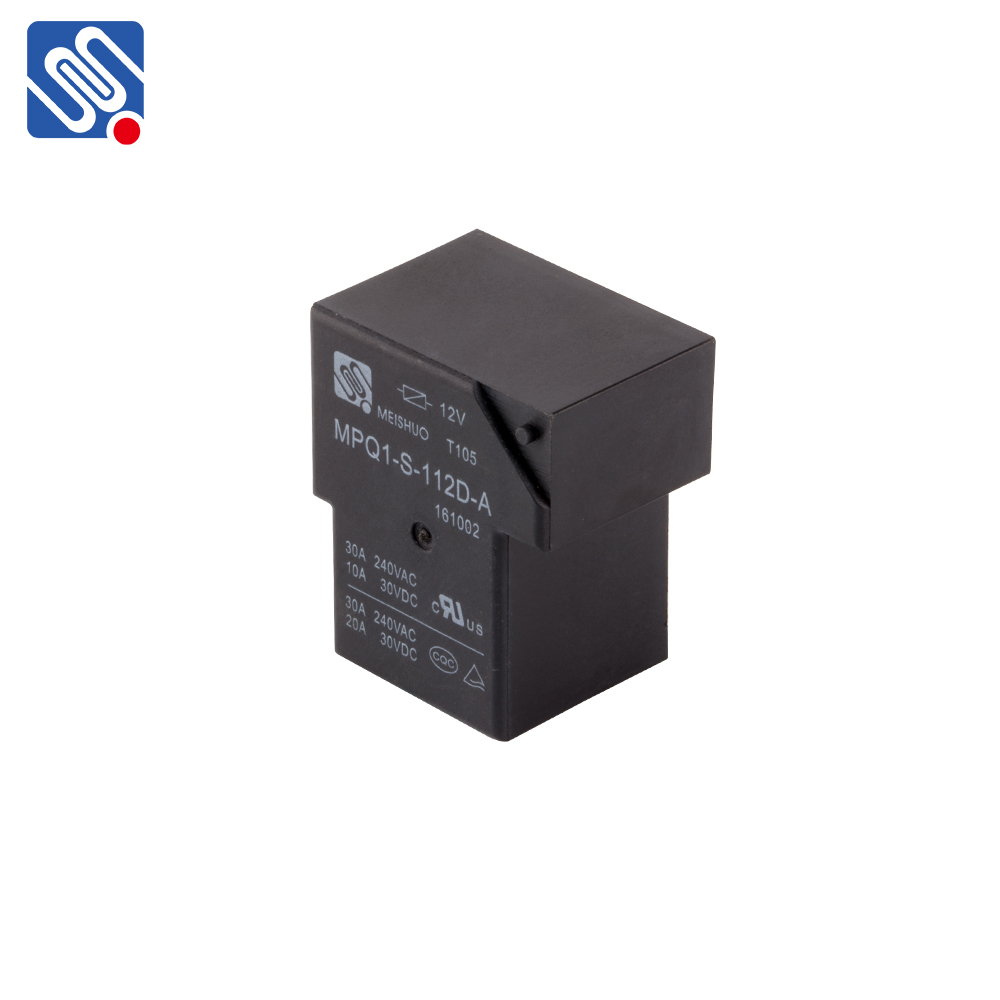
What is a Relay Connection? At its core, a relay is a switch that can control a circuit by using a separate low-power signal to operate a higher-power circuit. It consists of a coil (electromagnet), contacts, and a spring mechanism. When an electrical current passes through the coil, it generates a magnetic field that moves the contacts, either closing or opening them depending on the relay type. The controlled circuit, or load circuit, can be connected to a high-power device such as a motor or light, while the control circuit (low-power) could come from a microcontroller or simple switch.