Relay circuits play a fundamental role in the world of electronics and automation. A relay is essentially an electromechanical switch that allows a low-power signal to control a high-power circuit. This capability makes relay circuits invaluable in various applications, from home automation systems to industrial automation and protection systems. In this article, we will explore the fundamental aspects of relay circuits, including their structure, working principle, types, and applications.
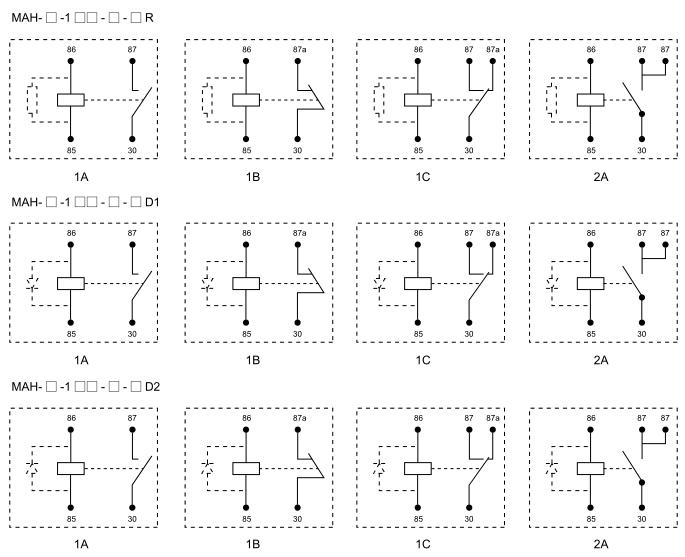
What is a Relay Circuit? At its core, a relay circuit consists of an electromagnet, a switch, and a set of contacts. When an electric current passes through the coil of wire (the electromagnet), it creates a magnetic field that activates the switch, consequently opening or closing the contacts. This allows the relay to control a larger voltage and current circuit using a smaller control circuit. Structure of a Relay Coil: The coil, made from insulated copper wire, generates a magnetic field when current flows through it. The number of turns in the coil affects the relay’s sensitivity and response time.