Relay circuit protection is a crucial aspect of electrical systems that ensures the safety and longevity of equipment. By using relays, electrical circuits are shielded from various faults such as overloads, short circuits, voltage surges, and more. Relays act as switches that automatically disconnect the circuit when certain conditions are met, thus preventing damage to electrical components and reducing the risk of fire, electrical shock, or other hazardous incidents. In this article, we will delve into the concept of relay circuit protection, its types, working principles, and its applications in various industries.
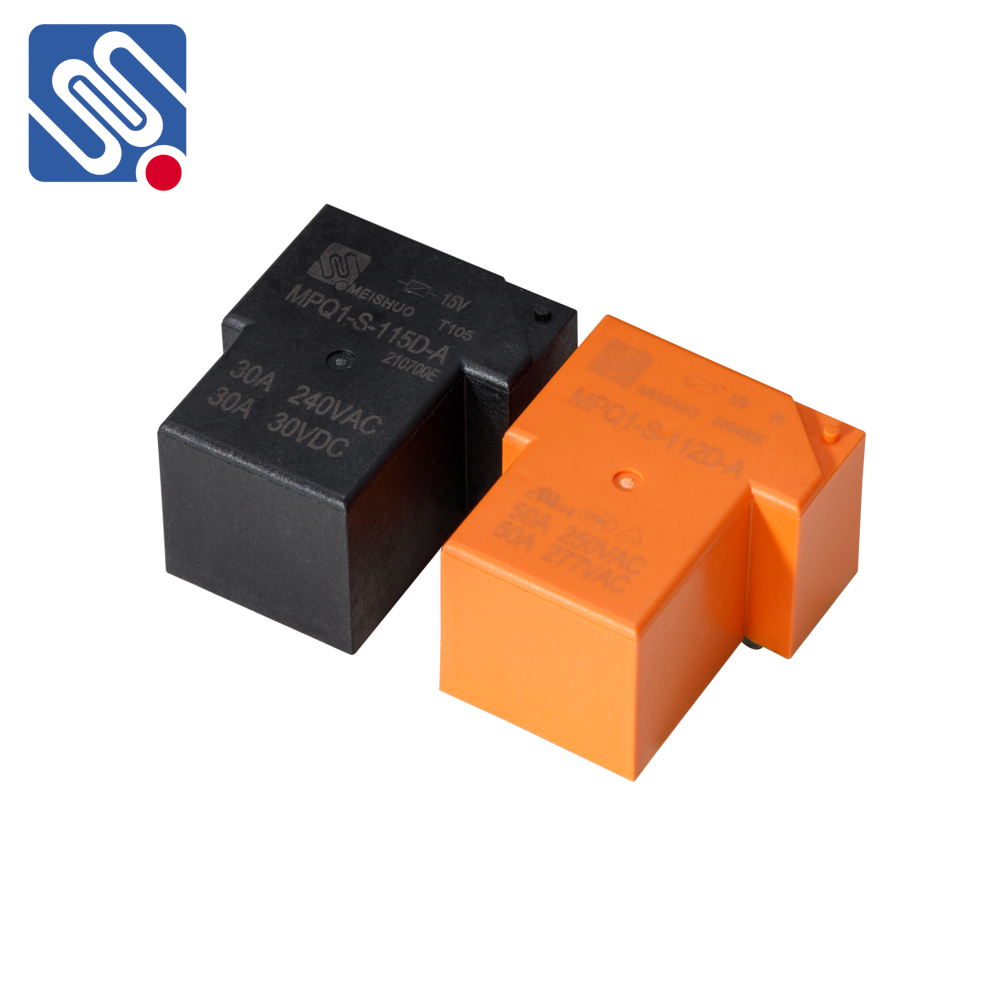
The Role of Relays in Circuit Protection Relays are electromechanical devices that serve as automatic switches. They function by using an electromagnetic field to control the opening or closing of contacts in a circuit. When the relay is triggered by a specified condition—such as an overcurrent or overvoltage situation—it will activate the switch, either disconnecting or rerouting the electrical flow. This makes relays indispensable for circuit protection in several industrial and residential applications. In a relay circuit protection system, the key function is to prevent damage to electrical components that could occur due to faulty or abnormal conditions. Without such protection, components like motors, transformers, and power supplies could easily be destroyed by excessive voltage, current, or thermal stress. Therefore, relays provide an essential safeguard, ensuring that electrical systems continue to operate reliably and safely.