Relay circuit protection plays a crucial role in safeguarding electrical systems and ensuring their reliable operation. Whether in industrial settings, commercial buildings, or residential infrastructure, relays are integral in preventing equipment damage due to electrical faults. In this article, we will explore the importance of relay circuit protection, its mechanisms, types of relays, and how they contribute to the safety and longevity of electrical systems.
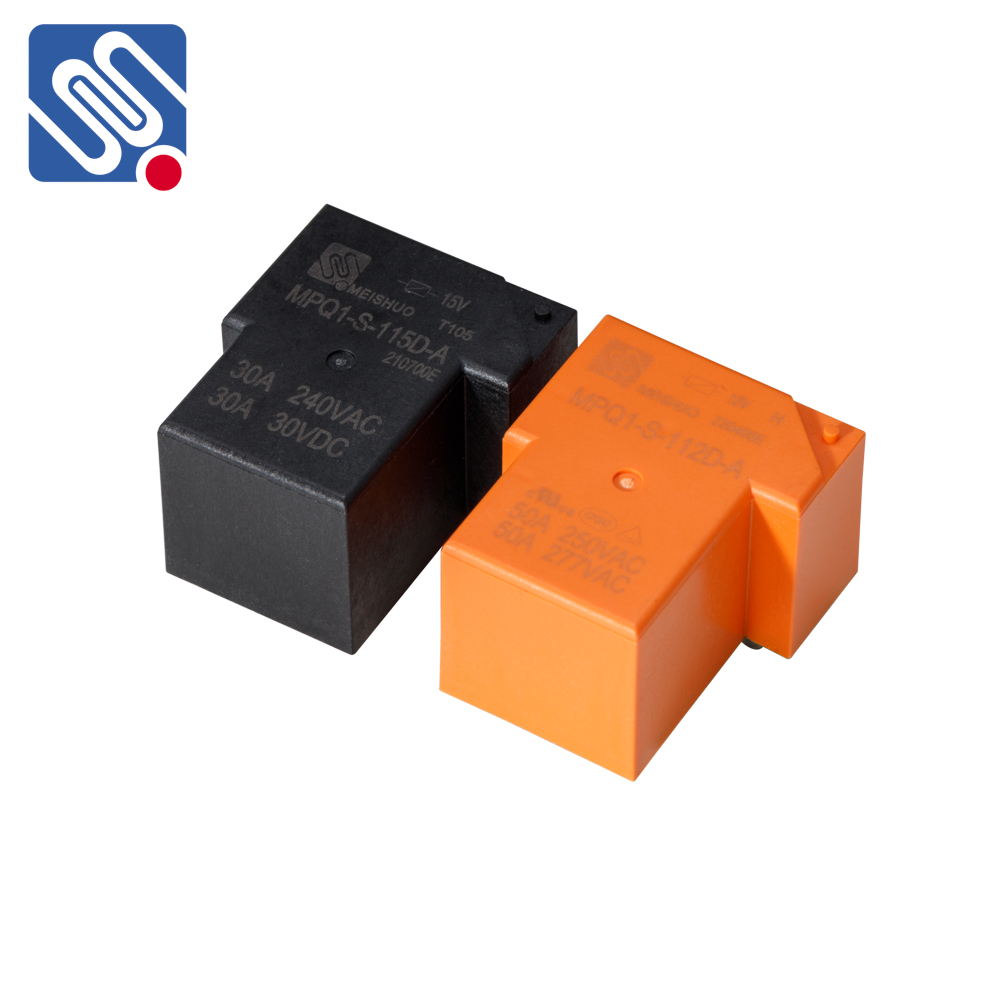
What is Relay Circuit Protection? Relay circuit protection refers to the use of protective relays within an electrical system to detect faults and abnormal conditions such as overcurrents, short circuits, undervoltage, or phase imbalances. These relays function as intermediaries between electrical circuits and protection devices like circuit breakers or contactors, ensuring that the system is promptly disconnected when a fault is detected. This process prevents potential damage to critical equipment and minimizes the risk of electrical hazards. The role of a relay in circuit protection is not limited to simply detecting faults. The relay also triggers the appropriate response to safeguard the system. In the event of an overcurrent or short circuit, for example, the relay sends a signal to disconnect the faulty circuit, preventing excessive heat, sparks, or further damage to the electrical system.