Relay circuit design is a fundamental aspect of electronics and electrical engineering, crucial for controlling high power devices using low power signals. Whether in home automation, industrial applications, or automotive systems, relays serve as pivotal components that enable efficient control and automation.
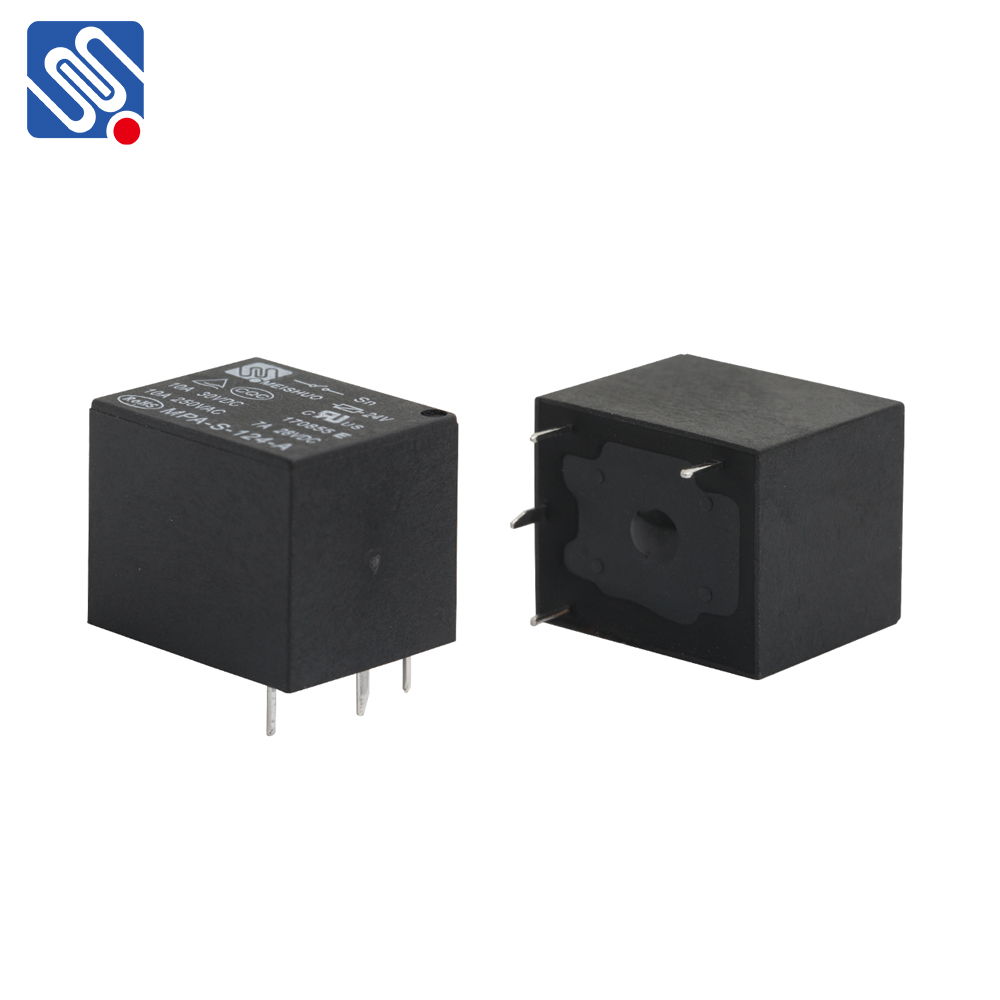
What is a Relay? A relay is an electromagnetic switch that utilizes a coil to create a magnetic field, which in turn moves an armature to open or close a circuit. This allows a low voltage control signal to manage a high voltage circuit. Basic components of a relay include: Coil: When energized, generates a magnetic field. Armature: A movable lever that changes position in response to the magnetic field. Contacts: Conductive paths that connect or disconnect based on the armature’s position (usually categorized as Normally Open (NO) or Normally Closed (NC)). Spring: Returns the armature to its original position when the coil is de-energized.