Relays are essential components in modern electrical and electronic systems, acting as switches that can control a wide range of devices and circuits. They allow one circuit to control another by using an electromagnet to operate a mechanical switch. The unique characteristics of relays determine their suitability for different applications, and understanding these characteristics is crucial when selecting a relay for a specific task. This article explores the key relay characteristics and their importance in ensuring efficient, reliable, and safe operation in various systems.
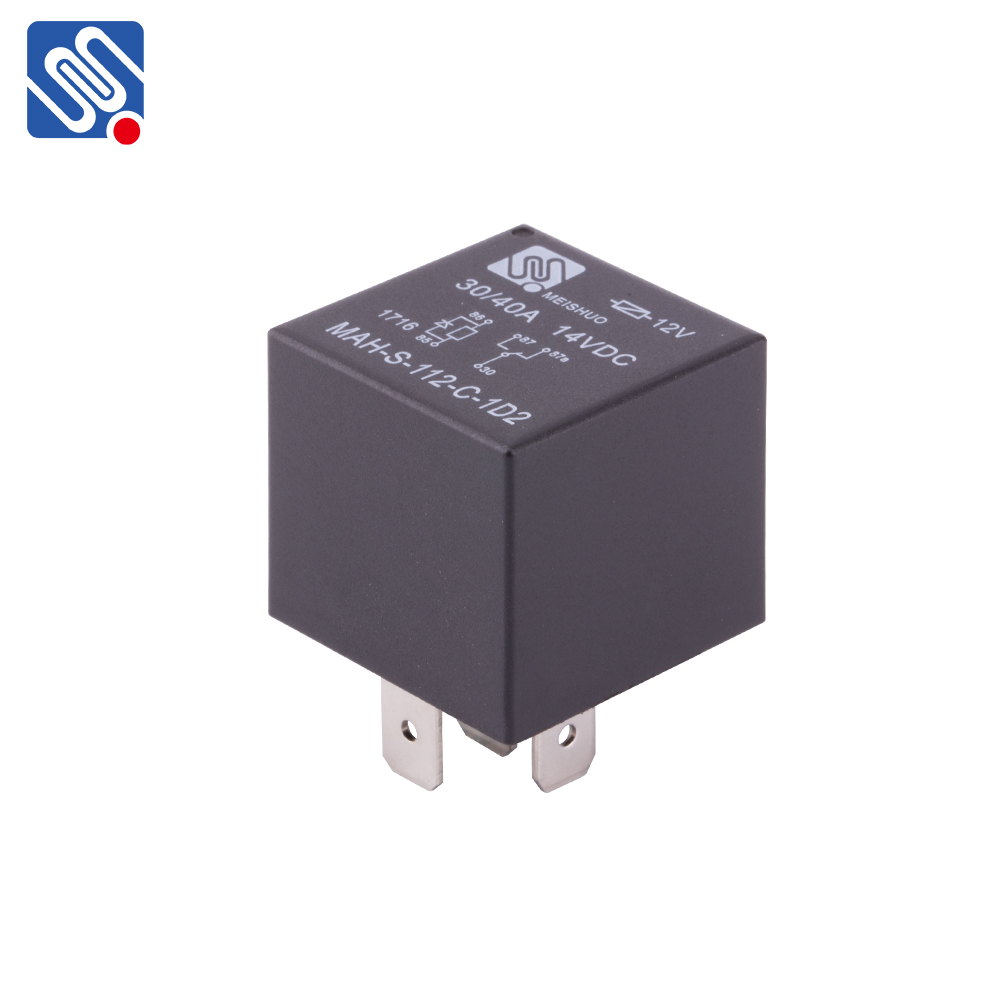
1. Contact Configuration Relays come with different contact configurations that define how they switch. The most common types are: Single Pole Single Throw (SPST): This type has one input and one output, providing an on/off switch. Single Pole Double Throw (SPDT): This configuration allows a single input to be switched between two output positions, often used for alternating between two circuits. Double Pole Single Throw (DPST): With two independent inputs, this relay can control two separate outputs simultaneously. Double Pole Double Throw (DPDT): It provides two independent circuits, each with two possible output states.