Relay assembly is a critical aspect of electrical and electronic systems, serving as a bridge between low-power control circuits and high-power switching tasks. The relay assembly uses electromagnetic switches to control and manage the flow of electrical signals, making it an essential component in numerous applications, from industrial automation to automotive systems. This article delves into the concept of relay assembly, its components, and its broad applications in modern technology.
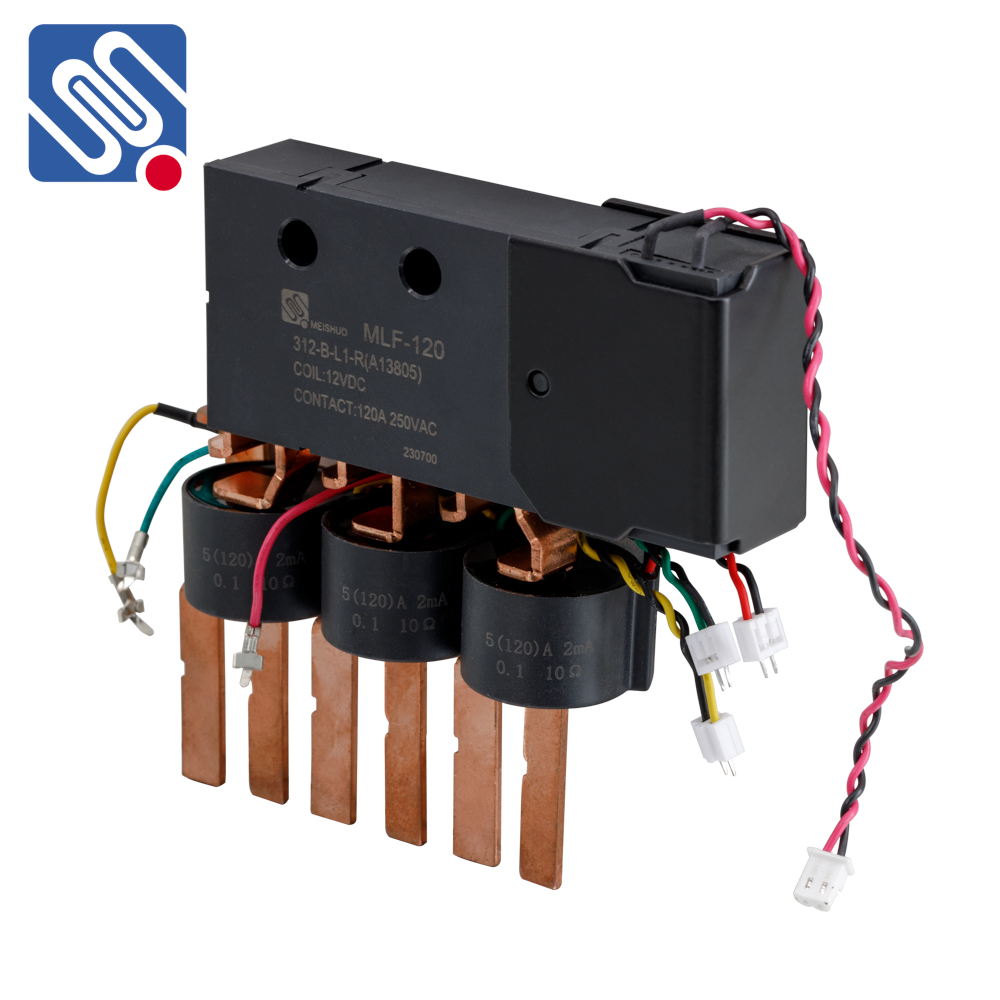
What is Relay Assembly? A relay assembly refers to a group of interconnected relays designed to perform specific switching functions in a system. At the heart of the relay assembly lies the relay, an electrical device that uses an electromagnet to control one or more sets of contacts. When a small electrical current is applied to the relay’s coil, it creates a magnetic field that moves an armature, thereby either opening or closing the relay’s contacts. This allows a low-power signal to control high-power circuits, providing an efficient and safe way to switch electrical loads without direct interaction between the low and high-power components.