Relays are fundamental components in the world of electrical engineering and automation. Their ability to control circuits, especially high-voltage systems, using low-power signals makes them indispensable in various applications. In this article, we will explore the working principle of relays, the different types available, and their common uses in modern technology.
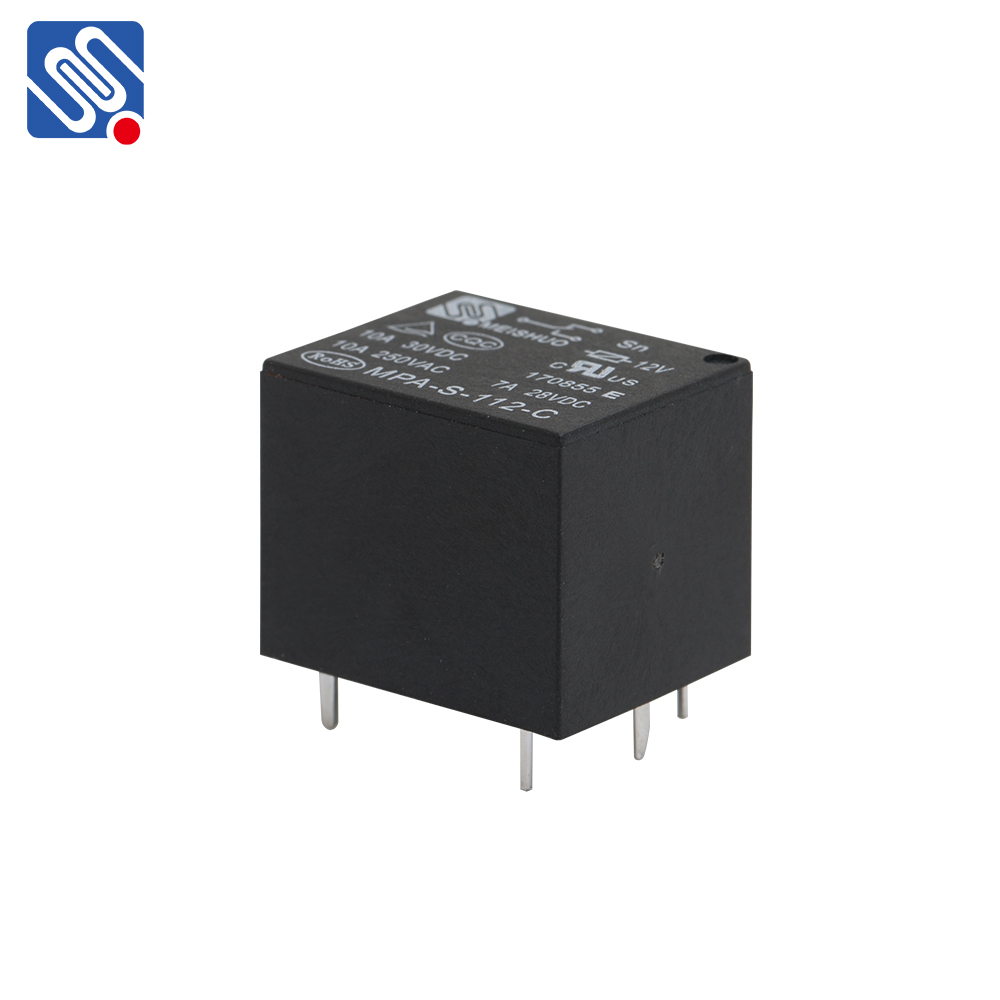
What is a Relay? A relay is essentially an electrical switch that opens and closes circuits under the control of an external signal. It typically consists of an electromagnet, a set of contacts, and a spring mechanism. When a current flows through the electromagnet, it creates a magnetic field that pulls a movable contact toward it, completing the circuit. When the current is turned off, the spring returns the contact to its original position, breaking the circuit. This simple yet effective mechanism allows relays to control larger circuits using a smaller, low-voltage signal, making them crucial for safety, automation, and remote control systems.