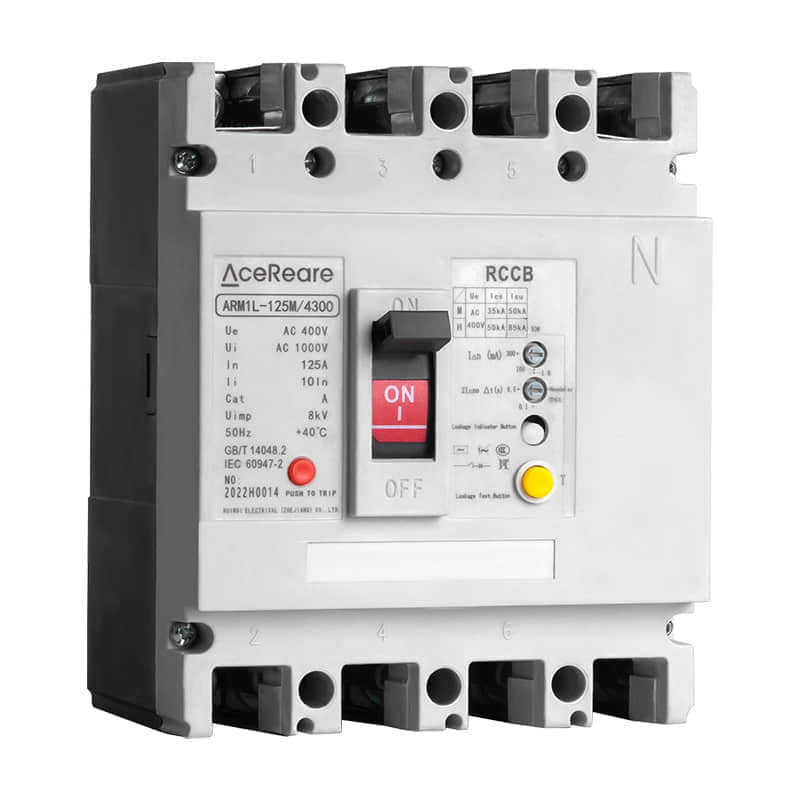
Residual Current Circuit Breakers (RCCBs) are an essential component of modern electrical systems, playing a crucial role in safeguarding lives and property by preventing electrical accidents. In this article, we will delve into what RCCBs are, how they work, and why they are indispensable in electrical installations.
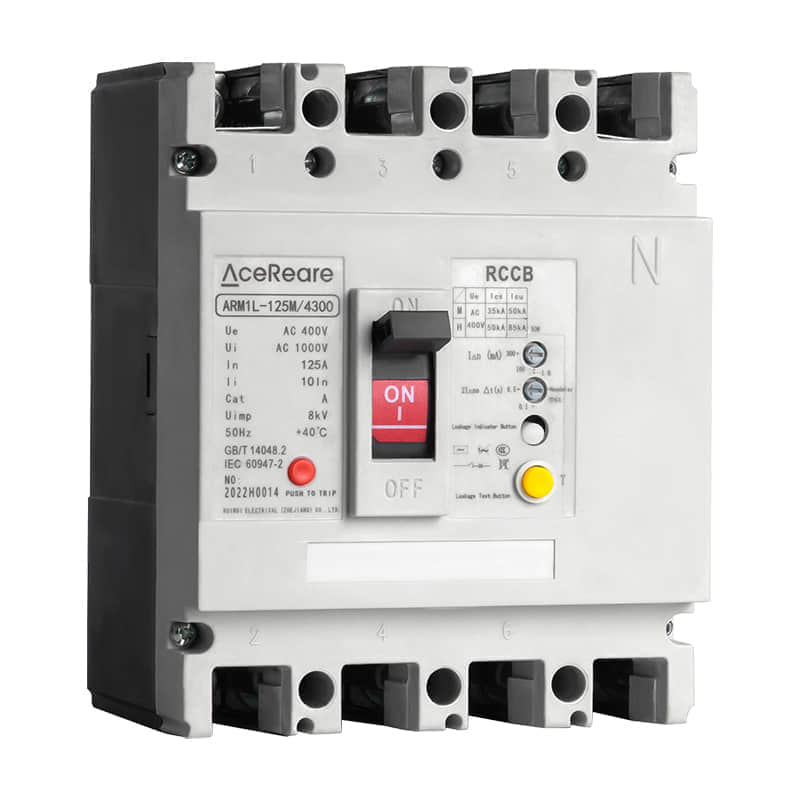
What is an RCCB?
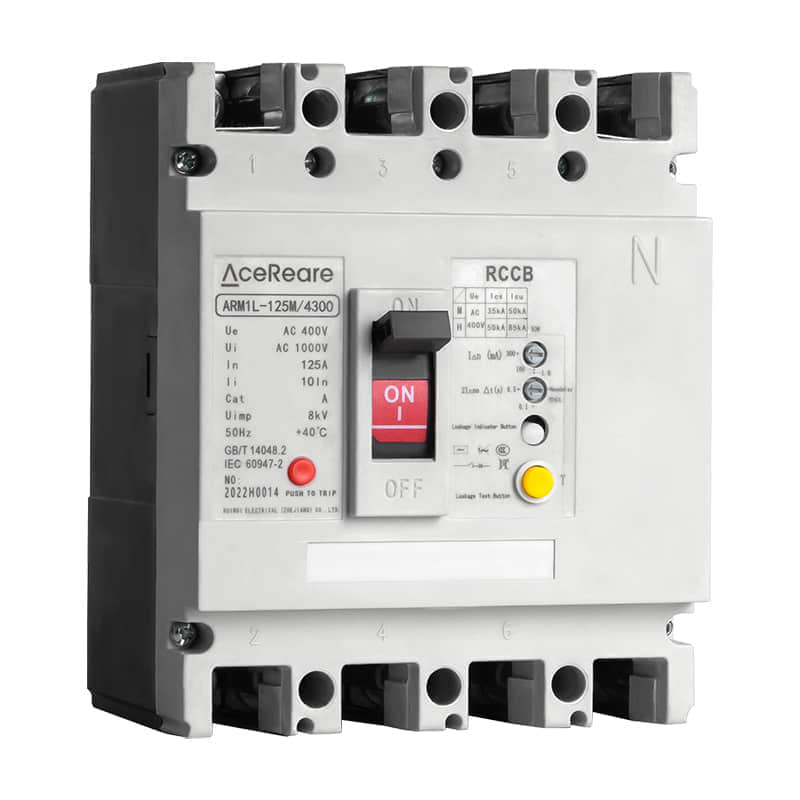
An RCCB, or Residual Current Circuit Breaker, is a specialized electrical device designed to protect against electrical faults and ensure the safety of electrical systems. It primarily serves to detect and interrupt abnormal electrical currents caused by ground faults, leakage, or short circuits. Unlike conventional circuit breakers that only protect against overcurrents, RCCBs are specifically engineered to respond to residual current imbalances. How Does an RCCB Work? The fundamental principle behind the operation of an RCCB is the measurement of the difference in current flowing into and out of a circuit. In a balanced electrical system, the current entering a circuit should be equal to the current leaving it. However, in the presence of a ground fault or leakage, this balance is disrupted, resulting in a residual current. An RCCB constantly monitors this residual current. If it detects a difference exceeding a preset threshold, typically 30 milliamperes (mA), it swiftly opens the circuit, disconnecting the power supply. This rapid response is critical, as even small imbalances in current can lead to fatal electric shocks or fires. Why are RCCBs Essential? Protection Against Electric Shocks:One of the primary functions of an RCCB is to prevent electric shocks. It can detect even minute imbalances in current flow and cut off the power supply within milliseconds, reducing the risk of fatal accidents. Fire Prevention:RCCBs are instrumental in fire prevention. They can detect and mitigate electrical faults that could lead to overheating and fires. This is especially vital in residential and commercial settings, where electrical fires can result in substantial property damage and loss of life. Equipment Protection:RCCBs also safeguard electrical appliances and equipment from damage. They can detect faults in the equipment or wiring and disconnect the power before any significant damage occurs. Code Compliance:Many electrical codes and regulations mandate the installation of RCCBs in specific locations, such as bathrooms, kitchens, and outdoor outlets, to ensure the safety of occupants and property. Peace of Mind:Having RCCBs installed in your electrical system provides peace of mind, knowing that you have an added layer of protection against electrical hazards. Types of RCCBs There are two main types of RCCBs: Type AC RCCB:These are designed to detect and protect against sinusoidal alternating current (AC) faults. They are suitable for most residential and commercial applications. Type A RCCB:Type A RCCBs are more advanced and can detect not only AC but also pulsating direct current (DC) faults. They are typically used in industrial settings where DC currents may be present. Installation and Maintenance Proper installation and regular maintenance of RCCBs are crucial to ensuring their effectiveness. They should be installed by qualified electricians who follow manufacturer guidelines and local electrical codes. Routine testing of RCCBs is also recommended to confirm their functionality. In conclusion, Residual Current Circuit Breakers are vital components of electrical systems that play a pivotal role in safeguarding lives and property. Their ability to detect and respond to residual current imbalances makes them indispensable in preventing electric shocks, fires, and equipment damage. Installing and maintaining RCCBs in your electrical system is a proactive step towards ensuring electrical safety in your home or workplace.