PVC solenoid valves are a crucial component in many modern fluid control systems. Made from durable, corrosion-resistant polyvinyl chloride (PVC), these valves offer significant advantages over metal-based valves, especially in industries dealing with harsh chemicals or where weight and cost are significant considerations. This article will explore the basics of PVC solenoid valves, their functionality, common applications, and the benefits they offer.
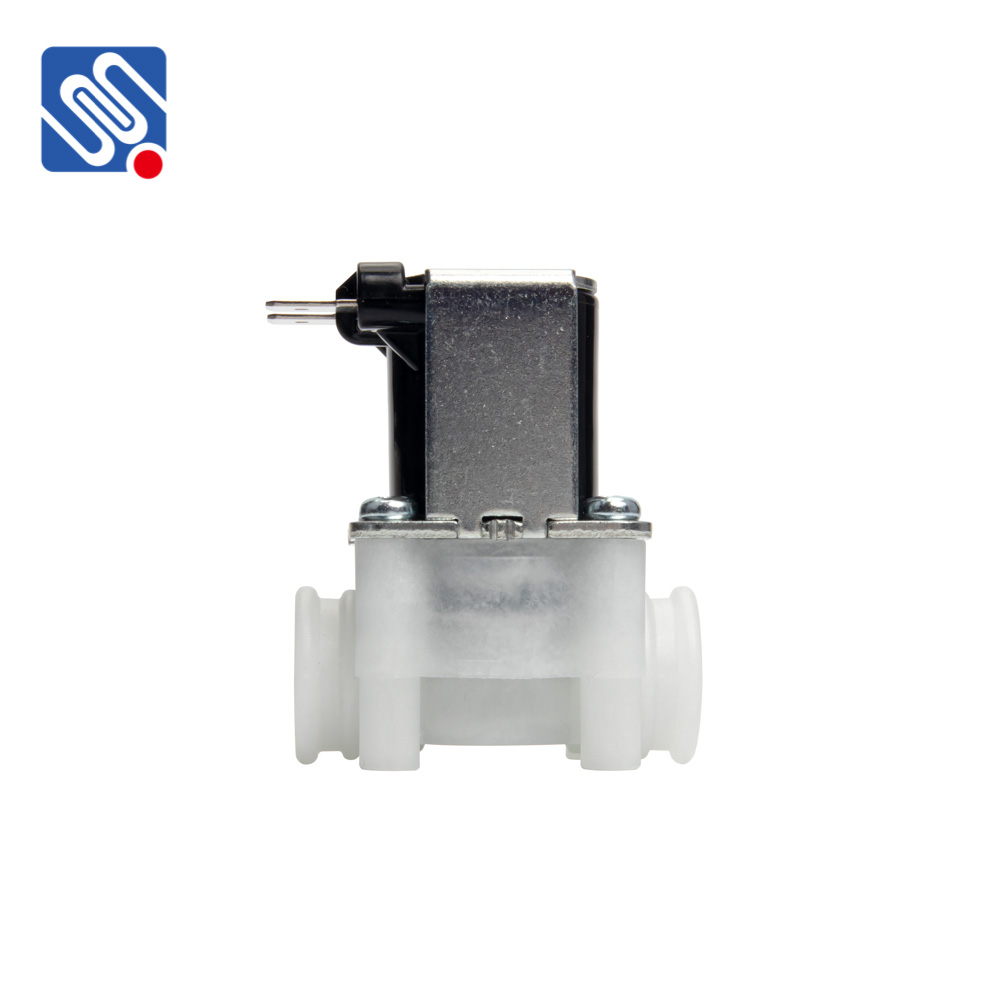
What is a PVC Solenoid Valve? A PVC solenoid valve is an electrically operated valve that controls the flow of liquids or gases in a system. The valve consists of a solenoid coil, a plunger, and a valve body made from PVC material. When an electric current passes through the solenoid coil, it generates a magnetic field that moves the plunger, either opening or closing the valve. This simple mechanism allows the valve to control the flow of the medium without any manual intervention, making it highly useful in automated systems. PVC solenoid valves can be either normally open (NO) or normally closed (NC). In a normally closed valve, the valve remains shut when no power is supplied, and opens when the solenoid is energized. Conversely, a normally open valve remains open when de-energized and closes when powered. The choice between the two types depends on the application and the flow control needs.