PVC solenoid valves are essential components in various industries, playing a pivotal role in controlling fluid flow. These valves utilize the principles of electromagnetism to regulate the movement of fluids, making them indispensable for applications in water treatment, chemical processing, irrigation systems, and much more. In this article, we will explore the working principle, applications, advantages, and maintenance of PVC solenoid valves.
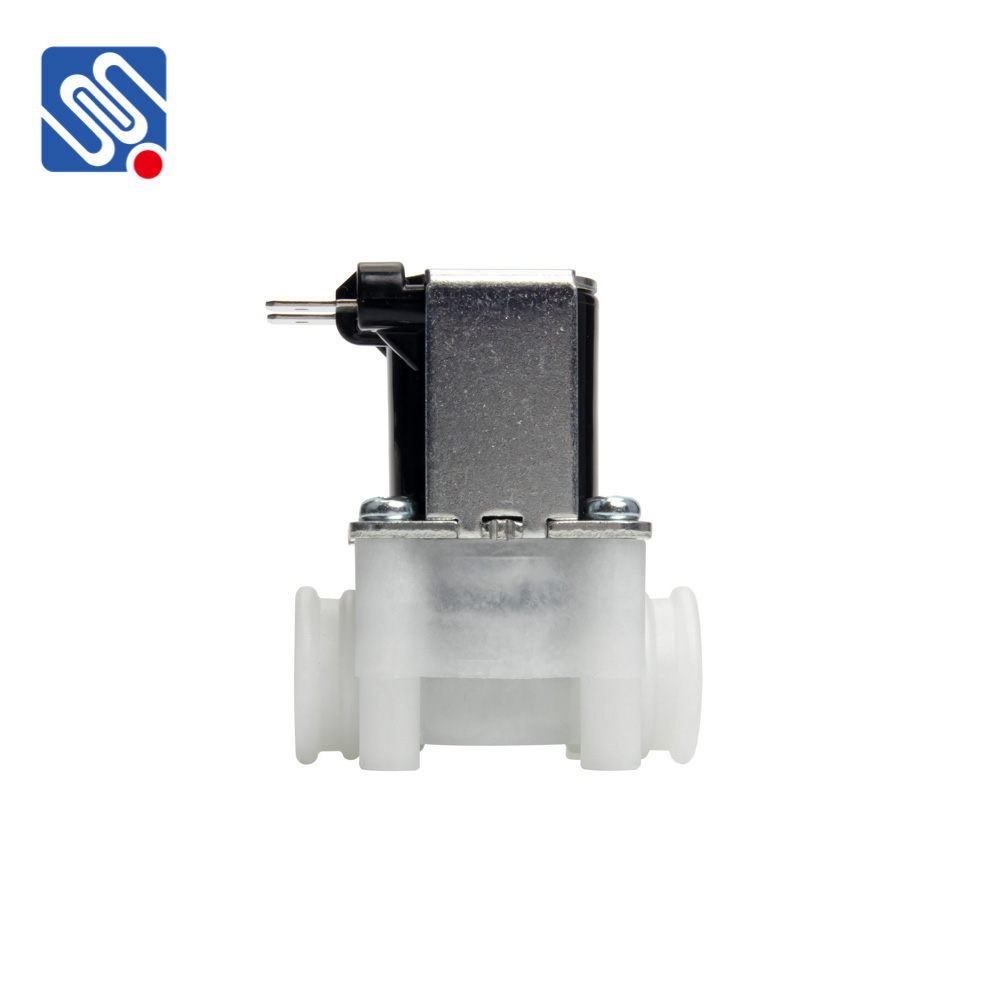
Working Principle PVC solenoid valves operate based on a simple yet effective principle. They consist of several key components: an electromagnetic coil, a valve body, and a movable plunger or diaphragm. When an electric current passes through the coil, it generates a magnetic field that either lifts or lowers the plunger, allowing or blocking fluid flow through the valve. Depending on the design, these valves can be either normally open (NO) or normally closed (NC). In normally closed valves, the absence of electrical power keeps the valve closed, preventing fluid flow. Conversely, in normally open valves, the valve remains open without electrical power, and the current must be supplied to close the valve. The ability to control fluid flow in such a straightforward manner makes PVC solenoid valves incredibly versatile and user-friendly.