A PVC Solenoid Valve is a highly versatile and essential component in fluid control systems, widely used in various industrial applications. These valves utilize an electric solenoid to control the flow of fluids, enabling precise management of liquids or gases in pipes or channels. Made from polyvinyl chloride (PVC), a durable and cost-effective thermoplastic material, PVC solenoid valves are particularly suited for applications where corrosion resistance and affordability are critical. In this article, we will explore the core features, applications, advantages, and key considerations when choosing a PVC solenoid valve for industrial and commercial uses.
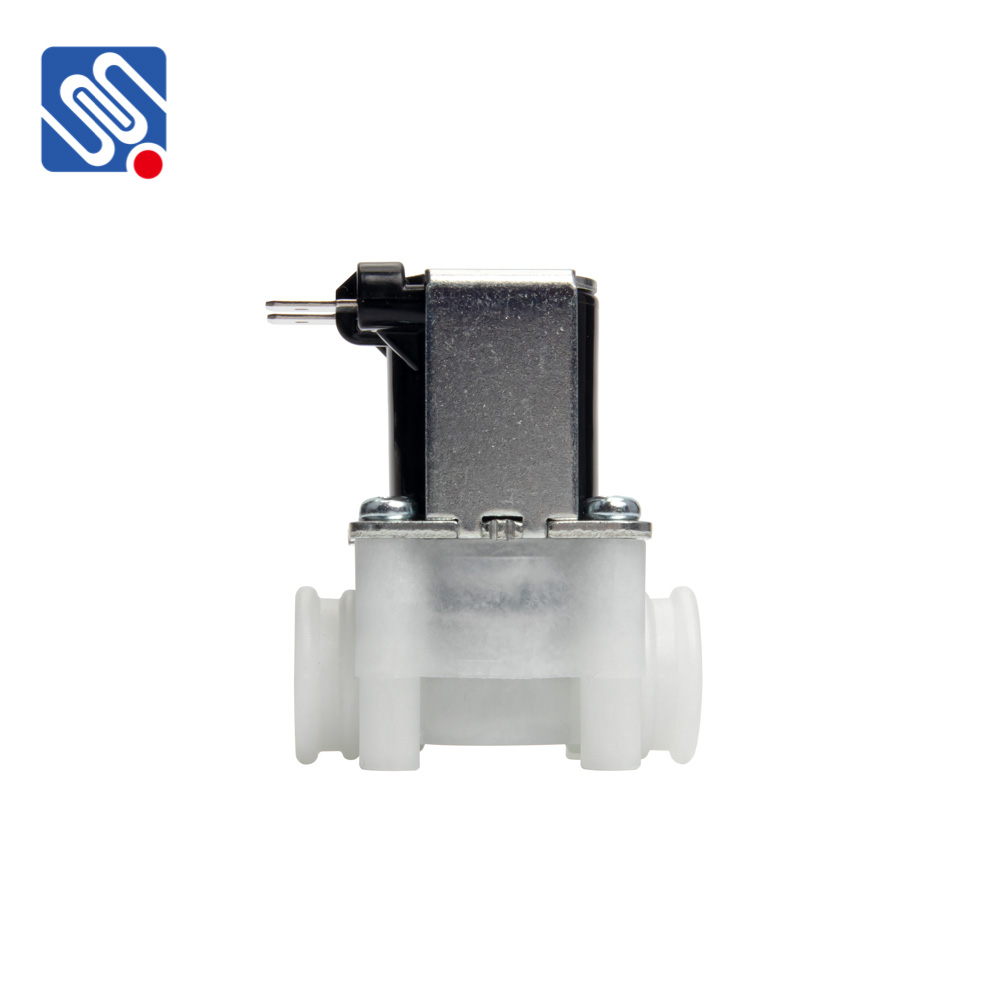
What is a PVC Solenoid Valve? A PVC solenoid valve is an electromechanical device that controls the flow of fluid through a pipe or hose by opening and closing a valve based on electrical signals. When an electric current passes through the solenoid coil, it generates a magnetic field that activates a plunger to either open or close the valve, depending on the design. The valve can be either normally open (NO), where the valve stays open until the solenoid is energized, or normally closed (NC), where the valve remains closed until the solenoid is activated. The use of PVC as the primary material in the valve body provides several advantages, especially in applications where the valve needs to resist chemical corrosion and is subjected to relatively low to medium pressure conditions.