Power relays play a crucial role in the automation and control of electrical systems, offering an efficient and reliable way to manage high-power circuits using low-power control signals. These components, often overlooked, are essential in a wide range of applications, from industrial machinery to household appliances and automotive systems. Understanding the function, types, and applications of power relays can help engineers and technicians make informed decisions when designing and maintaining electrical systems.
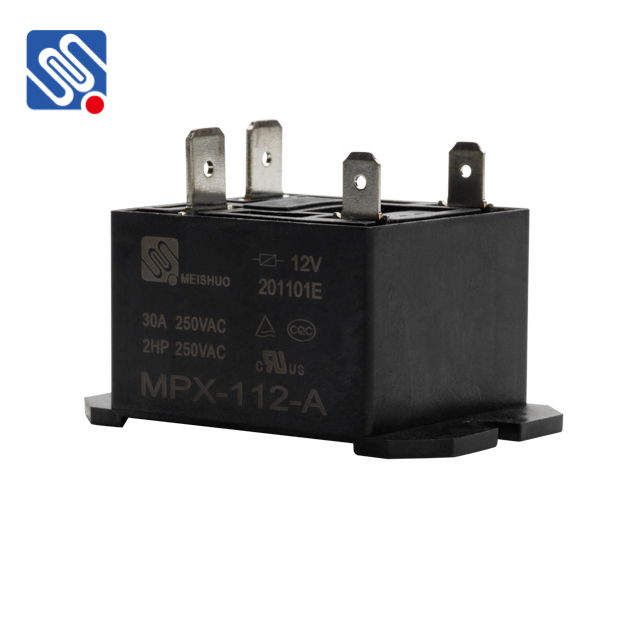
What is a Power Relay? A power relay is an electrically operated switch that allows a low-power control circuit to control a high-power circuit. The fundamental operation of a relay involves an electromagnet, which, when energized, pulls a switch mechanism to either open or close a set of contacts. This action enables the relay to control high-voltage or high-current devices, such as motors, heaters, or lighting, while the control side remains isolated from the power side, ensuring safety and reliability. At its core, a power relay consists of two main parts: the control side, where a low voltage or current is applied, and the power side, where the actual electrical load is connected. The key benefit of using a relay is that it provides electrical isolation between the control and power circuits, preventing potentially hazardous voltages or currents from affecting the low-power control system.