Power relays are essential components in electrical systems that provide a reliable means of controlling high-power circuits with low-power control signals. These electromechanical devices act as switches that allow operators to control heavy-duty electrical loads using relatively smaller currents. From everyday household appliances to complex industrial machinery, power relays play a crucial role in ensuring the safety, reliability, and efficiency of electrical circuits. This article will explore the basic working principle of power relays, their types, applications, and their importance in modern electrical and automation systems.
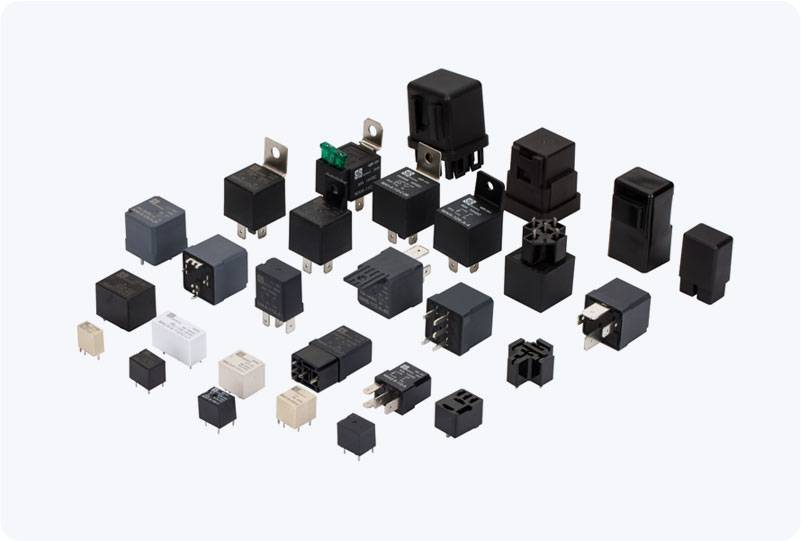
What is a Power Relay? At its core, a power relay is a type of electrical switch that uses an electromagnetic coil to open or close a set of contacts. When a current flows through the coil, it generates a magnetic field that attracts a movable armature, which then either connects or disconnects the contacts. This action enables the relay to control the flow of current in a larger electrical circuit without the need for direct human intervention or manual switching. Power relays are widely used because they offer a simple yet highly effective solution for controlling large amounts of electrical power.