In the world of electrical engineering and industrial automation, power relays play a crucial role in managing and controlling the flow of electricity. They serve as electromagnetic switches, operating under various load conditions, and are essential components in applications ranging from household appliances to large industrial machinery. One of the pivotal aspects of power relays is the contact welding process—a technology designed to improve the durability and performance of relay contacts. This article delves into the intricacies of Power Relay Contact Welding Solution, elucidating its significance, methodologies, and applications.
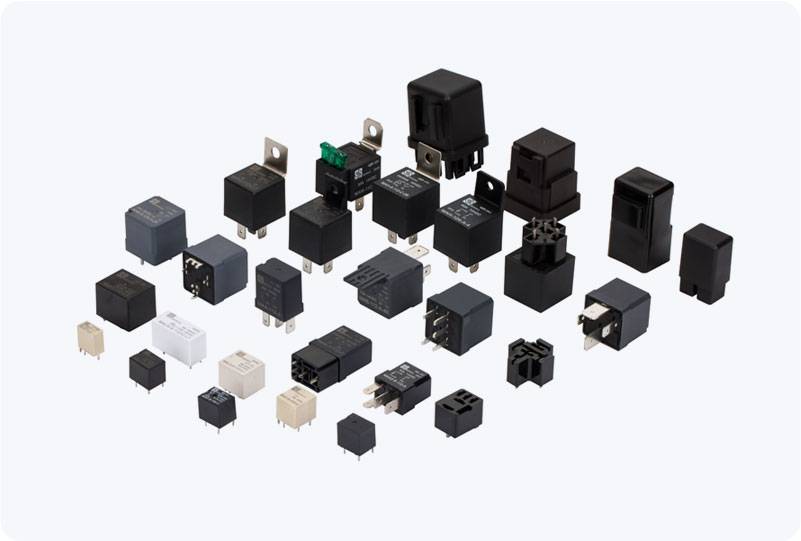
The Importance of Contact Welding At the heart of every relay are its contact points, which are responsible for establishing and breaking electrical connections. The reliability of these points directly influences the overall effectiveness of the relay. Over time, frequent switching can result in wear, oxidation, or malfunction of the contacts, leading to electrical failures that can have severe ramifications. Therefore, ensuring robust and reliable connections through effective welding techniques is paramount. The objective of a Power Relay Contact Welding Solution is to create a strong, conductive bond between contact points, enabling efficient and consistent electrical performance. Proper welding techniques not only increase the longevity of the relay but also enhance its capacity to handle higher voltage and current loads without compromising safety.
Leave a Reply