In the realm of electrical engineering and automation, the power relay stands as a pivotal component, enabling the control of high-voltage and high-current circuits through low-voltage inputs. This essential device serves as an electronic switch, orchestrating the operation of various electrical systems in industrial, automotive, and residential applications. This article delves into the intricacies of power relays, exploring their working principles, classifications, applications, and advantages and disadvantages.
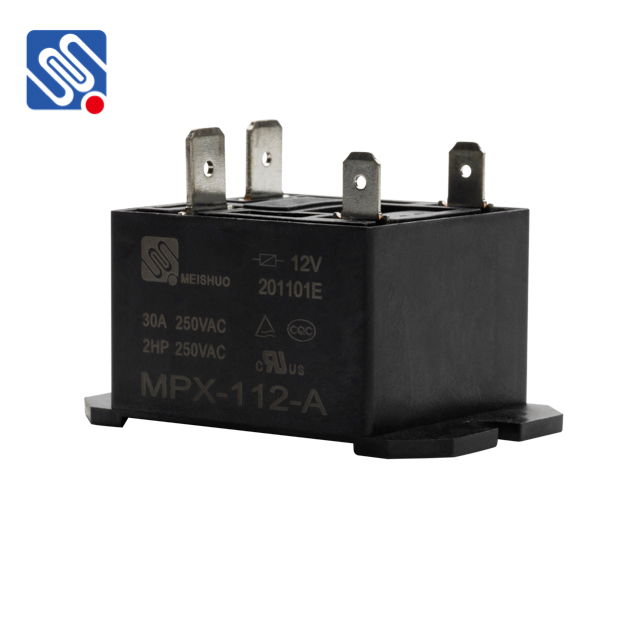
Working Principle At its core, a power relay utilizes the electromagnetic principle to function as a switch. When a low-voltage current flows through the relay’s coil, it generates a magnetic field. This magnetic field attracts an armature, a movable component, which, in turn, either connects or disconnects contacts in the circuit. The status of these contacts effectively controls the flow of electricity to a connected load. The overall simplicity of the power relay design belies its immense capabilities, which include handling substantially higher voltages and currents than the input control signal.