A power relay is a crucial component in electrical systems that allows a low-power signal to control a high-power circuit. Power relays serve as essential devices in both domestic and industrial applications, providing a safe, efficient way to switch large currents with a relatively small electrical control. This article aims to explore the working principles, types, and key applications of power relays in modern electrical systems.
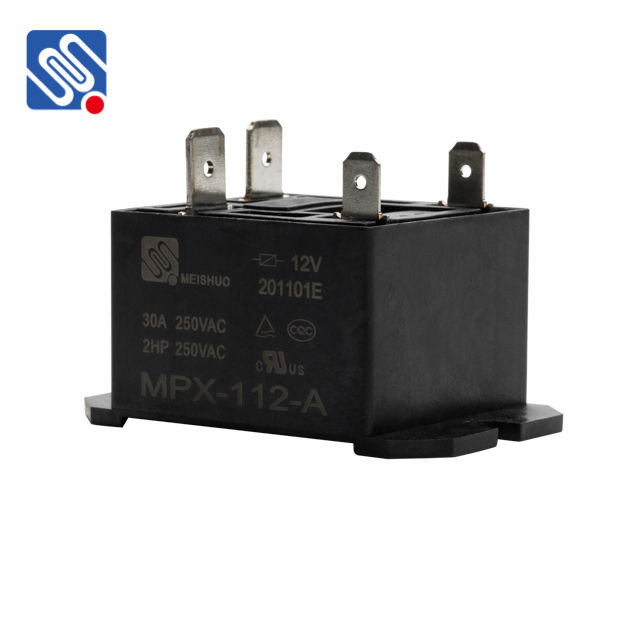
What is a Power Relay? At its core, a power relay is an electrically operated switch that uses an electromagnet to control the opening and closing of electrical contacts in a power circuit. When a small control current flows through the relay’s coil (the electromagnet), it generates a magnetic field that pulls or pushes a lever, which in turn closes or opens the relay’s contacts. This action allows a high-power circuit to be controlled with a low-power input. How Do Power Relays Work? The operation of a power relay can be broken down into several simple steps: Coil Activation: When a control voltage is applied to the coil of the relay, an electromagnetic field is generated.