Pneumatic systems are crucial in various industries, from manufacturing plants to construction sites, where they power machinery and tools with compressed air. However, these systems pose inherent risks, especially during maintenance or repair activities. To safeguard workers from accidental pressure releases, pneumatic lockouts are widely used. In this article, we will explore the concept of pneumatic lockouts, their importance, and how to approach a quotation for such safety devices.
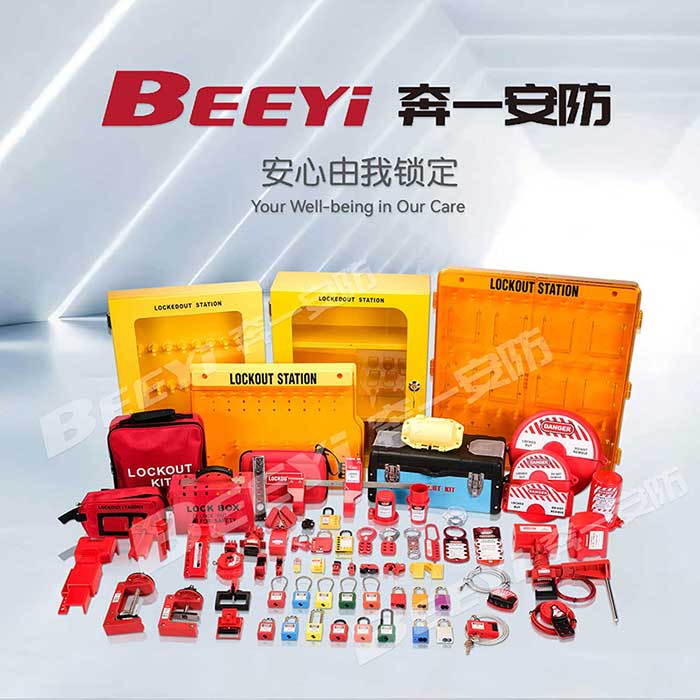
What are Pneumatic Lockouts? Pneumatic lockouts are safety devices designed to prevent the accidental release of pressurized air in pneumatic systems. They are installed on pneumatic equipment, valves, or piping to ensure that air cannot flow until the lockout is removed by authorized personnel. These devices are critical in industries where pressurized air is used to operate machinery, tools, or other equipment, and they help prevent injuries caused by unintentional activation or pressure release during maintenance. Lockout devices serve as part of a broader safety protocol often referred to as Lockout/Tagout (LOTO). This protocol requires workers to isolate and secure hazardous energy sources (like pressurized air) before performing maintenance or repairs.