In industrial settings, safety is paramount. One essential safety device used in workplaces that handle pneumatic systems is the pneumatic lockout. These devices are designed to ensure that pneumatic equipment, such as air compressors, valves, or hoses, are safely isolated during maintenance or repair. By preventing accidental activation of machinery, pneumatic lockouts protect workers from injuries and ensure compliance with safety regulations. However, when it comes to purchasing these lockouts, the price can vary considerably. In this article, we’ll explore the factors that influence Pneumatic Lockouts price, providing insights to help businesses and safety officers make informed purchasing decisions.
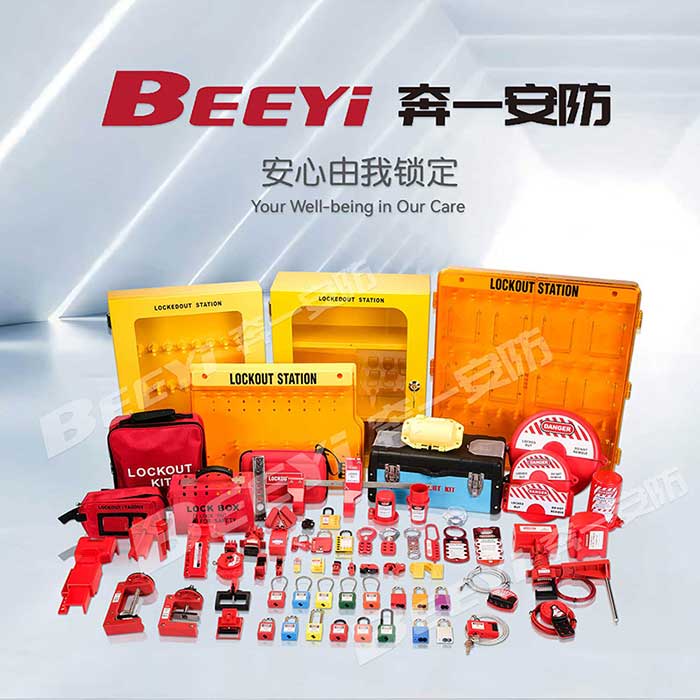
1. Type of Pneumatic Lockout Pneumatic lockouts come in various designs, each suited to different applications. The type of lockout selected plays a significant role in determining its price. Common types include: Valve Lockouts: These are designed to lock valve handles in a safe position to prevent accidental opening or closing of valves during maintenance. Valve lockouts are often used in pneumatic systems to isolate valves that control airflow. Basic valve lockouts are typically more affordable than more complex devices. Hose Lockouts: These lockouts are used to isolate pneumatic hoses, ensuring that pressurized air cannot flow through them when not in use. Hose lockouts often feature clamp mechanisms or seals and can be a bit pricier due to their added functionality.