In the world of industrial safety, ensuring a secure working environment is paramount for protecting employees and equipment. One of the critical components in maintaining this safety protocol is the use of pneumatic lockouts. Pneumatic lockouts application refers to the implementation of safety devices that prevent the accidental operation of pneumatic systems during maintenance or repair. This article delves into the significance, applications, benefits, and best practices associated with pneumatic lockouts, emphasizing its essential role in promoting workplace safety.
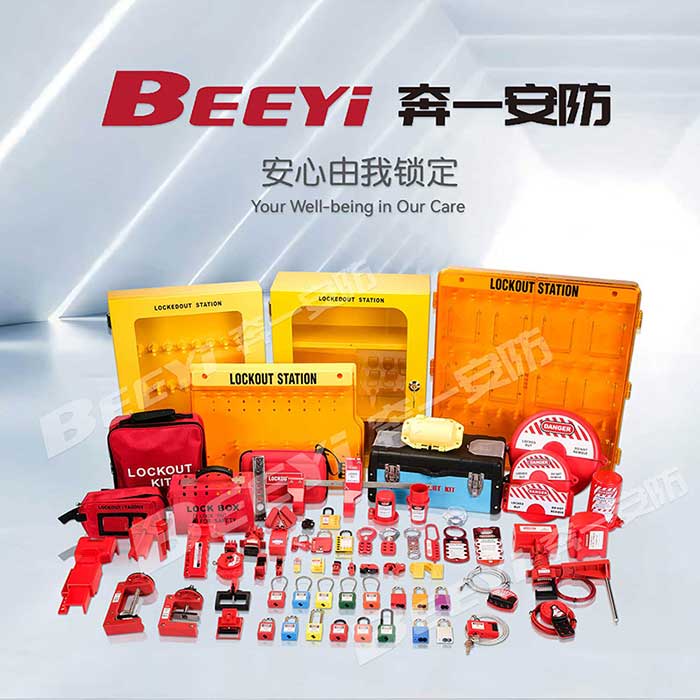
The Importance of Pneumatic Lockouts Pneumatic systems utilize compressed air to power various tools and machinery across countless industries, including manufacturing, construction, and automotive. While these systems enhance productivity, they carry inherent risks—especially if maintenance work is conducted while the equipment is still live. Pneumatic lockout devices serve as safeguards that neutralize these risks by isolating the energy source, thereby preventing unintentional equipment activation. Accidents in industrial settings can lead to severe injuries, costly downtime, and even fatalities. Implementing pneumatic lockouts is not merely a regulatory requirement; it is a proactive step toward fostering a culture of safety where employees can work confidently, knowing that appropriate protocols are in place.