In various industrial and manufacturing environments, safety is paramount. With the prevalence of pneumatic systems that utilize compressed air to function machinery and tools, implementing safety measures, including Pneumatic Lockouts, has become essential. Pneumatic Lockouts serve as a vital component in maintaining a safe working environment, preventing unintended machine operation and protecting personnel during maintenance or repair activities. This article delves into what Pneumatic Lockouts are, how they work, their applications, and their importance in promoting workplace safety.
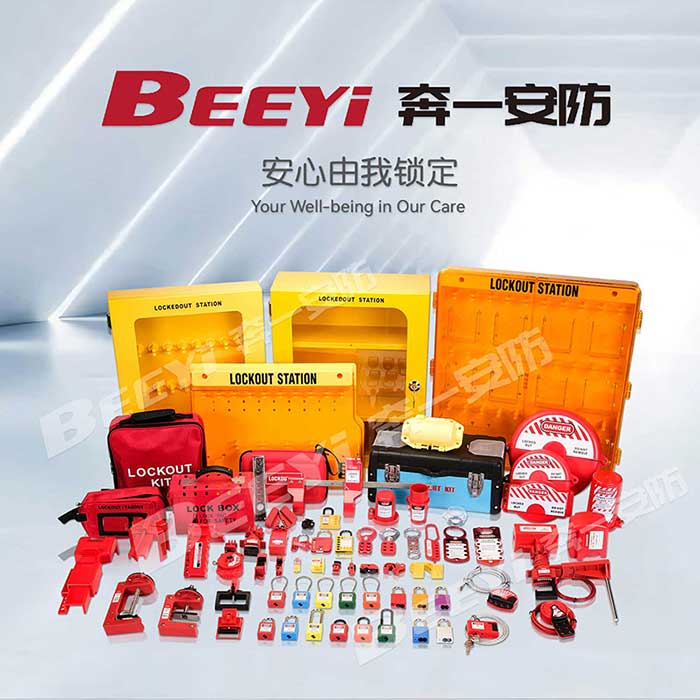
What Are Pneumatic Lockouts? Pneumatic Lockouts are specialized devices designed to prevent the accidental activation of pneumatic equipment during maintenance or service work. These devices function by physically blocking the flow of compressed air to machinery and tools, ensuring that operators and maintenance personnel can perform their tasks without the risk of unexpected machine startups. The principle behind these lockouts is rooted in Lockout/Tagout (LOTO) procedures, which are established safety practices aimed at controlling hazardous energy during servicing operations. How Do Pneumatic Lockouts Work?