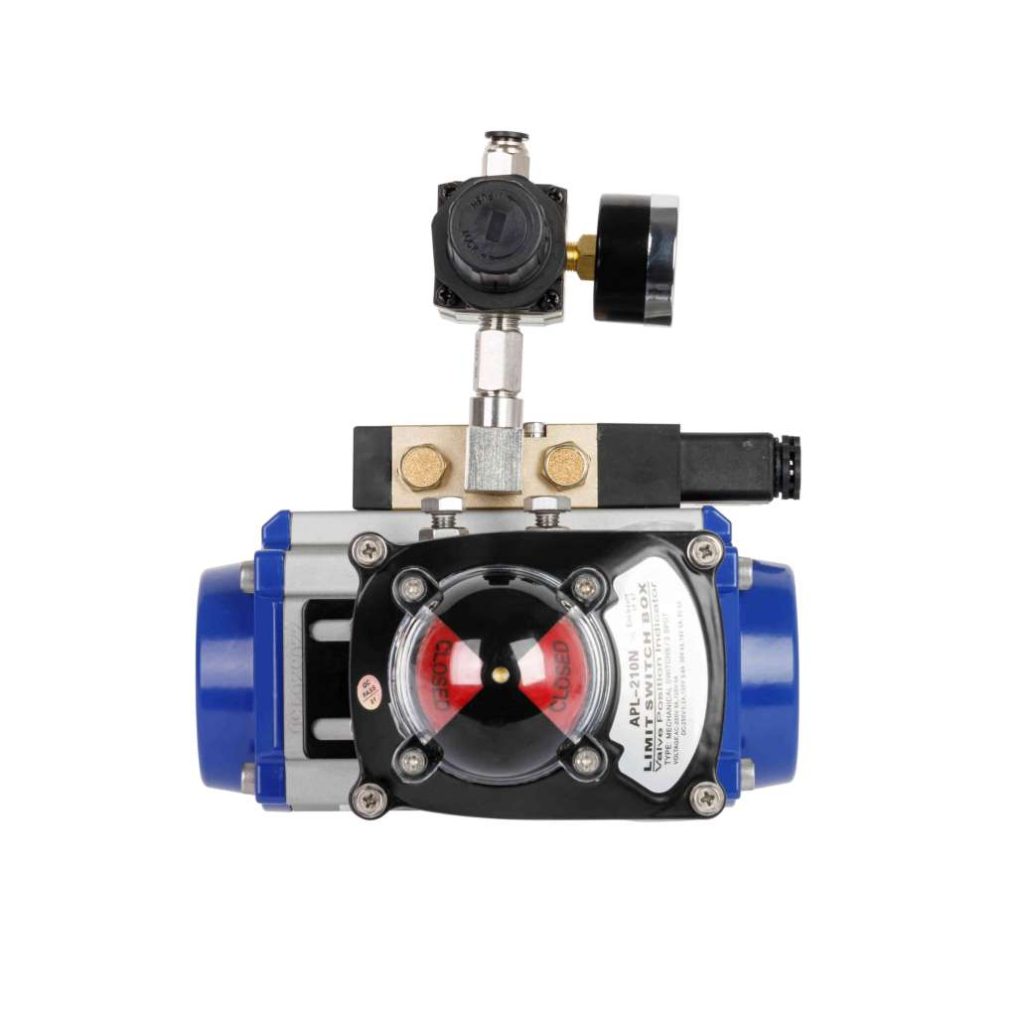
Pneumatic actuators are essential components in the field of automation and control systems. They convert compressed air energy into mechanical motion, driving various machines and processes with high efficiency. The simplicity, speed, and cost-effectiveness of pneumatic actuators make them a popular choice in industries ranging from manufacturing and automotive to healthcare and robotics. This article explores the working principles, types, advantages, and applications of pneumatic actuators.
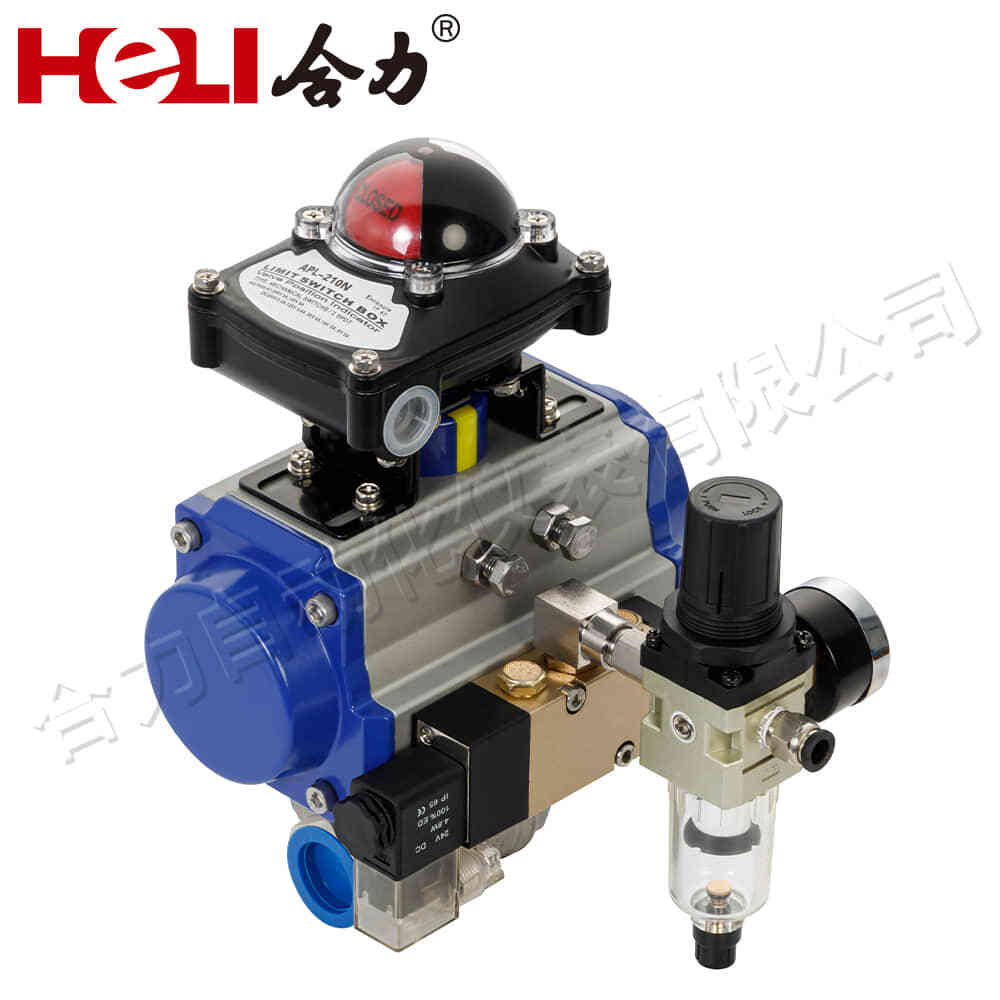
Working Principles of Pneumatic Actuators
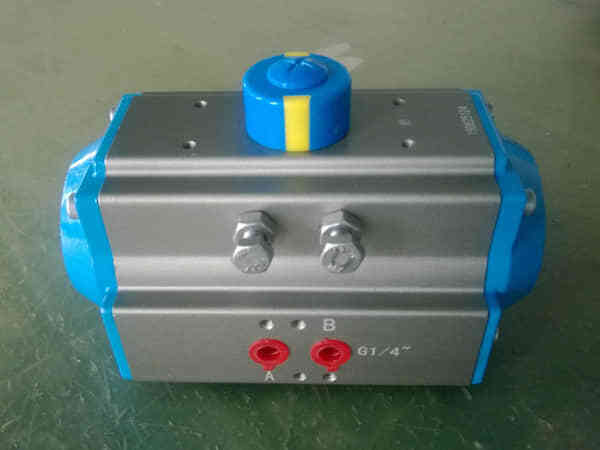
A pneumatic actuator operates by utilizing compressed air to produce mechanical force. The actuator consists of a cylinder and a piston inside it. Compressed air enters the cylinder and applies force on the piston, which moves in response. This motion can be linear or rotary, depending on the design of the actuator. The force generated by the air pressure pushes the piston either forward or backward in linear actuators or causes rotational movement in rotary actuators. The amount of force produced is proportional to the pressure of the compressed air and the size of the actuator. The motion of the actuator is controlled by valves that regulate the direction and flow of the air. A double-acting pneumatic actuator uses air to move the piston in both directions, while a single-acting actuator uses air only to move the piston in one direction, relying on a spring to return it to its original position.