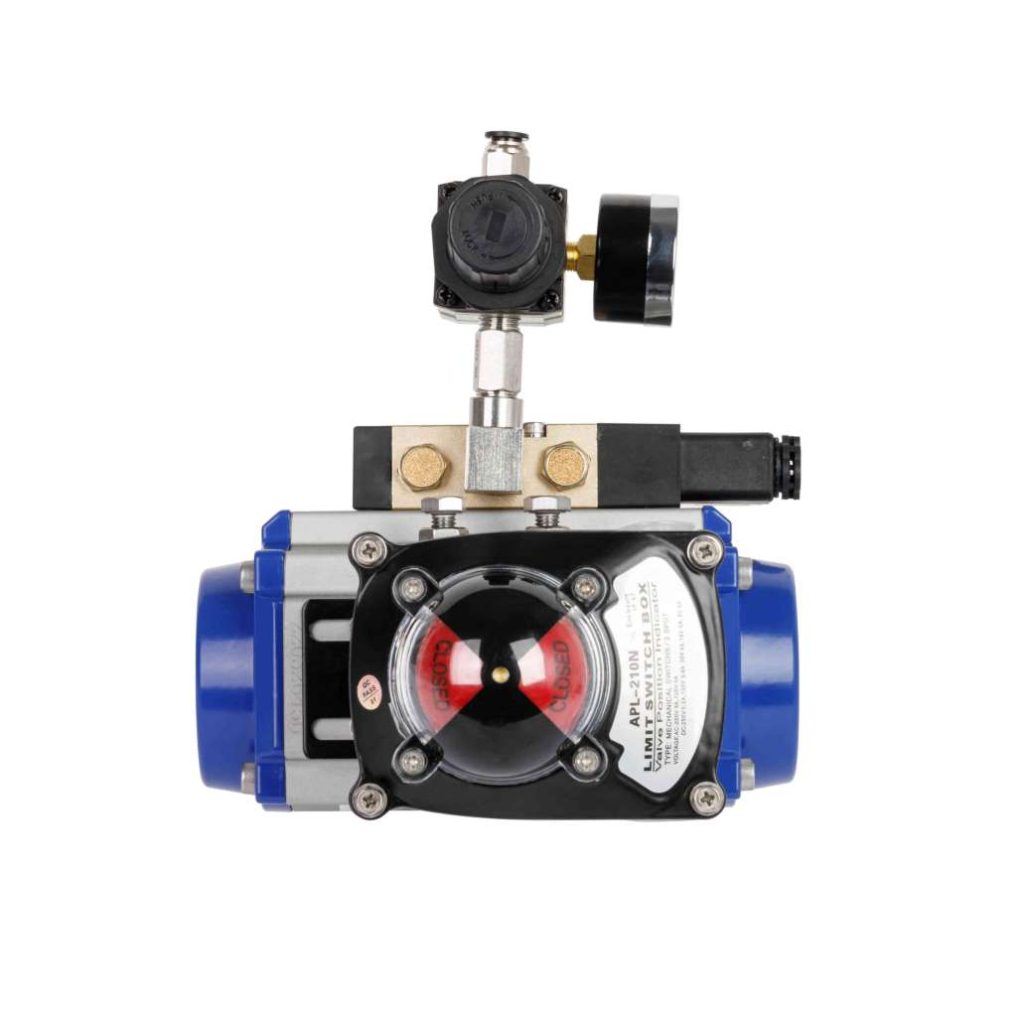
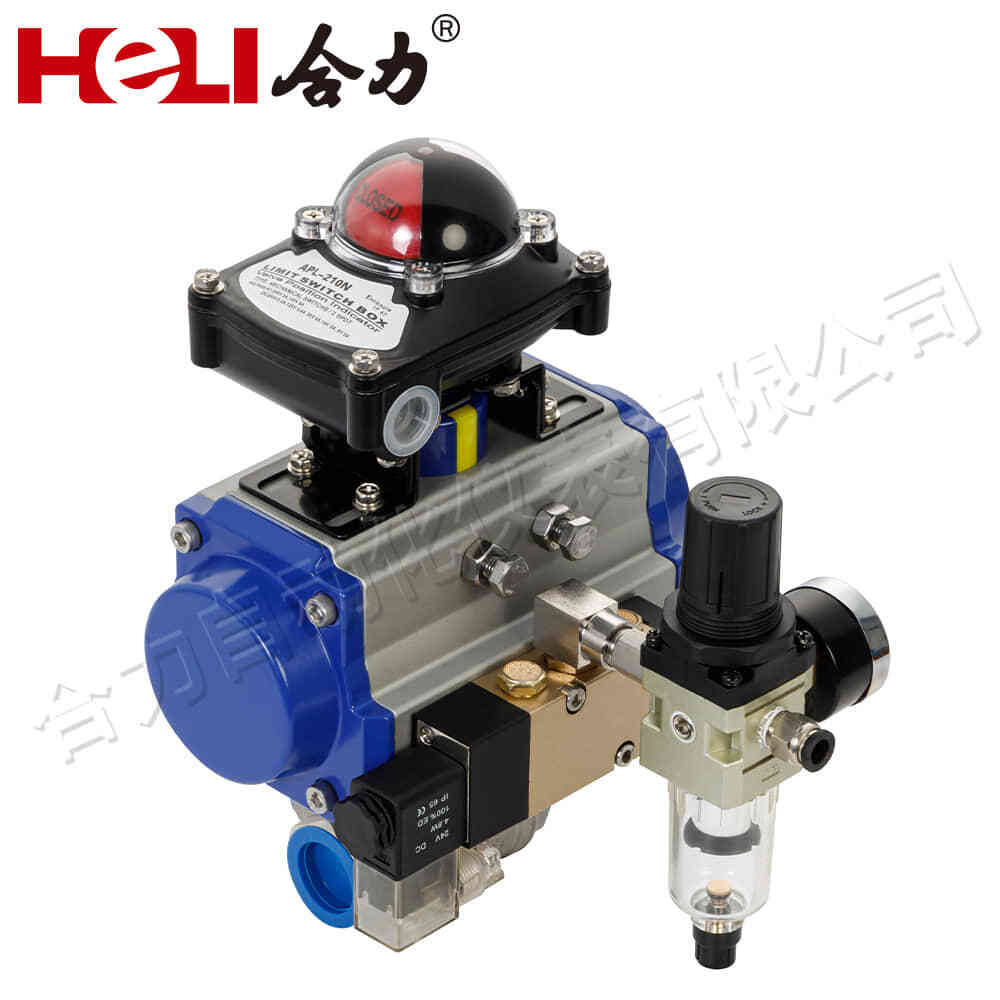
Pneumatic actuators are crucial components in various industrial and automation systems, leveraging the power of compressed air to create mechanical motion. From controlling valves to moving robotic arms, pneumatic actuators play an essential role in simplifying complex tasks. This article delves into the fundamentals of pneumatic actuators, the different types available, and their practical applications in modern industries.
Principle of Operation
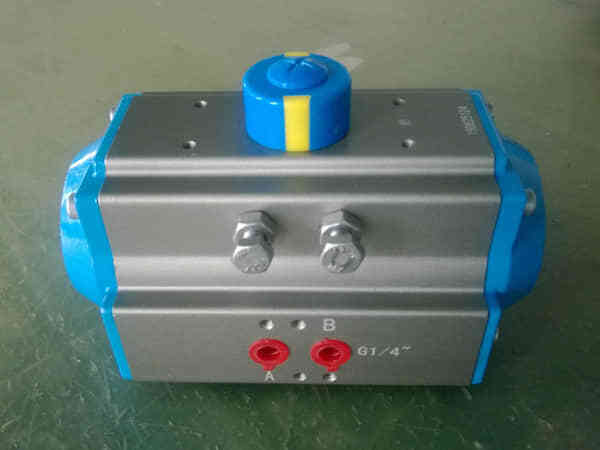
At the core of a pneumatic actuator is the use of compressed air to generate movement. When air is introduced into the actuator, it creates pressure that moves a piston or a vane, converting the energy from the compressed air into mechanical work. The actuator’s movement can either be linear (straight-line motion) or rotary (rotational motion), depending on the actuator type. The main components of a pneumatic actuator include: Cylinder or Chamber: This is the space where compressed air is introduced. It houses the piston or other movable parts. Piston or Vane: The piston moves within the cylinder, powered by the air pressure. In rotary actuators, the vane performs a similar function, but instead of linear movement, it generates rotational motion.