In the realm of industrial automation, the integration of various components plays a pivotal role in ensuring seamless operations, efficiency, and safety. Among these components, PLC Control Relays have emerged as a cornerstone for controlling electrical and mechanical systems with precision. This article aims to explore the functionality, application, and significance of PLC Control Relays in modern automation systems.
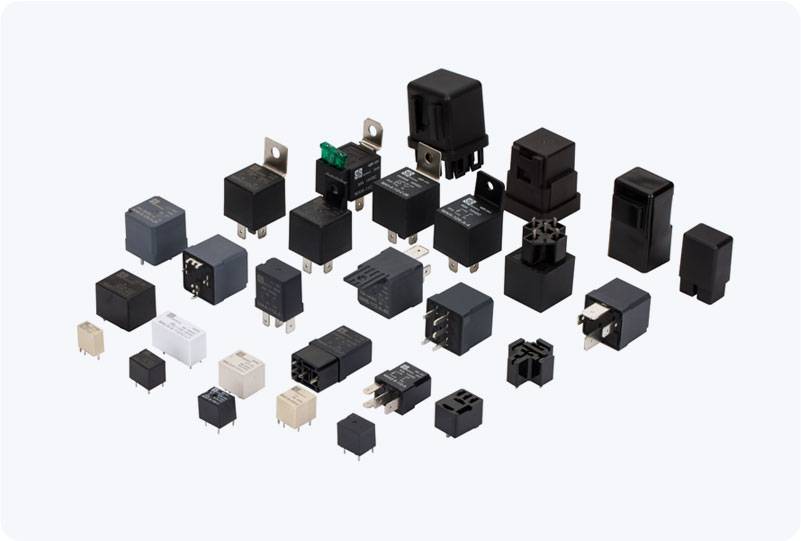
What is a PLC Control Relay? A PLC (Programmable Logic Controller) is an industrial digital computer designed to control and automate manufacturing processes. It works by receiving inputs, processing them based on a programmed logic, and then producing outputs to control devices. Control Relays, on the other hand, are electromechanical switches that respond to electrical signals, enabling the control of larger power circuits or mechanical systems. When combined, a PLC Control Relay acts as an interface between the low-voltage control signals generated by the PLC and the high-voltage devices it manages. These relays typically open or close contacts based on the PLC’s signals, which in turn control larger electrical loads such as motors, lights, or valves.